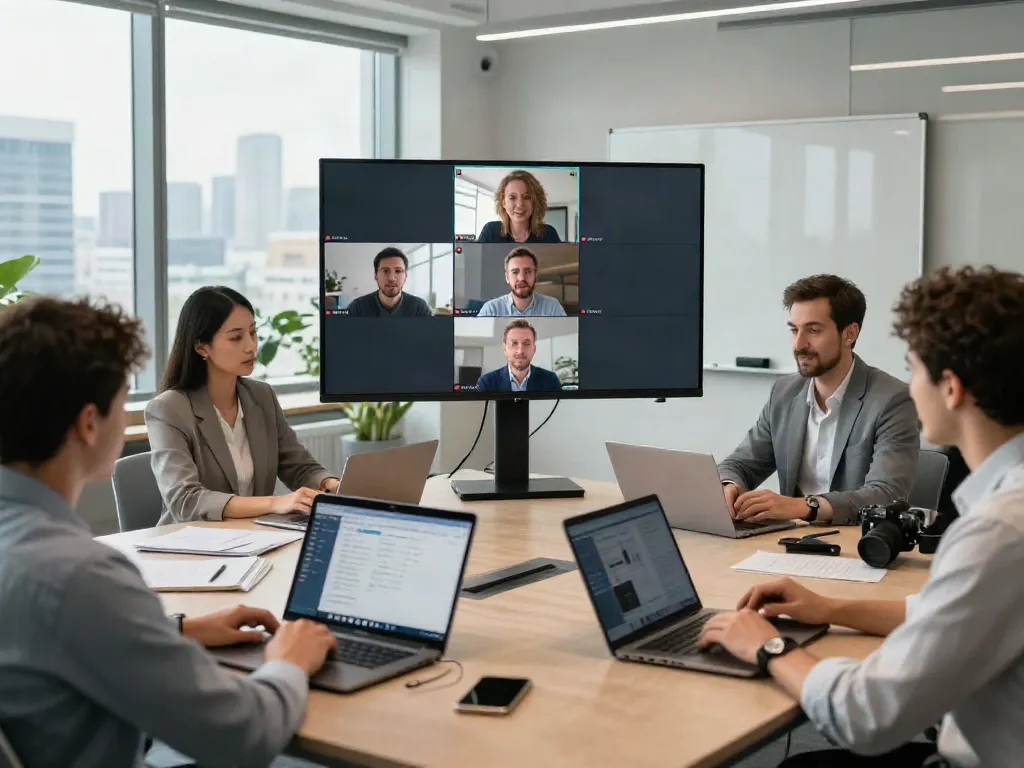
Understanding Deepfake Technology in Conference Settings
As technology continues to advance, so too do the threats that come with it. One such threat that is gaining significant attention is deepfake technology, which has permeated various sectors, including business. Deepfakes refer to synthetic media, typically involving manipulated video or audio, that can convincingly depict individuals saying or doing things they did not actually say or do. In a world where video conferencing has become a primary mode of communication, understanding deepfake technology is crucial for maintaining the integrity and security of meetings. Organizations must recognize the importance of adopting Deepfake protected Conferencing solutions to safeguard their operations. This article will delve deep into the implications of deepfakes in video conferencing, including the risks involved and strategies for protection.
What Are Deepfakes?
Deepfakes are synthetic representations generated using artificial intelligence (AI) and machine learning techniques. These algorithms analyze and learn from existing media, allowing them to create new content that resembles the original to an alarming degree. The technology originally gained notoriety for its application in entertainment and social media, but its misuse has serious implications, especially in professional settings. The accessibility of tools that can create deepfakes has made it easier for malicious actors to spread misinformation and commit fraud, further complicating the landscape of digital communication.
How Deepfakes Impact Video Conferencing
Video conferencing has become a staple for businesses, especially with the rise of remote work. However, the infiltration of deepfake technology poses a serious risk to these platforms. Cybercriminals can impersonate high-ranking officials or business leaders through deepfakes during video calls, potentially authorizing unauthorized transactions or disseminating false information. This manipulation can lead to reputational damage, financial loss, and legal consequences for organizations. Understanding how deepfakes work and their potential impact is essential for businesses aiming to secure their communications.
Potential Risks of Unprotected Conferences
- Impersonation Fraud: Deepfakes can enable scammers to impersonate executives, leading to unauthorized transactions.
- Manipulation of Information: Distorted messages can mislead audiences, misrepresenting company policies or financial health.
- Loss of Trust: Frequency and visibility of deepfake incidents can erode trust among employees and clients.
- Legal Repercussions: Organizations may face legal issues stemming from the misuse of synthetic media, particularly regarding compliance and privacy regulations.
The Importance of Deepfake Protection
Given the potential ramifications of unprotected video conferencing, organizations must prioritize deepfake protection. Implementing robust security measures not only fortifies against deepfake attacks but also enhances overall communication integrity. Businesses that neglect these protective measures increase their vulnerability to fraud and misinformation.
Why Businesses Need Deepfake Protection
The shift towards a predominantly digital workspace necessitates a comprehensive approach to cybersecurity. Deepfake protection is essential for preserving corporate reputation and maintaining stakeholder trust. Implementing systems designed to detect and mitigate deepfake threats ensures that organizations are equipped to handle the evolving landscape of digital communication.
Legal Implications of Deepfake Usage
The legal landscape surrounding deepfakes is rapidly evolving. Many jurisdictions are beginning to introduce legislation aimed at regulating their use, particularly concerning deceptive practices. Such laws may require organizations to disclose when synthetic media is used in communication, especially in political contexts. Failure to comply with these emerging regulations can result in severe penalties, making it imperative for businesses to stay informed and adhere to legal guidelines.
Case Studies: Consequences of Non-Protected Conferences
- Incident at Major Financial Firm: A deepfake impersonating the CEO led to a significant financial loss due to unauthorized wire transfers.
- Reputational Damage to a Global Brand: Misinformation spread via deepfakes resulted in a public relations crisis, affecting stock prices and consumer trust.
- Legal Action Against a Tech Company: Non-compliance with emerging deepfake regulations led to lawsuits and hefty fines, costing millions in legal fees.
Implementing Deepfake Protected Conferencing Solutions
To effectively combat the threat of deepfakes, organizations must explore and implement deepfake protected conferencing solutions. This involves investing in technologies designed to authenticate participants and detect synthetic media in real time.
Choosing the Right Technology
Selecting the right technology is critical for effective deepfake protection. Businesses should evaluate solutions that offer advanced AI capabilities for deepfake detection, as well as secure authentication methods to ensure that only authorized users can access sensitive conferencing sessions.
Best Practices for Secure Video Meetings
- Use Authentication Protocols: Require multi-factor authentication for participants to verify their identity before joining meetings.
- Employ Meeting Codes: Utilize password or code protection for each conference to prevent unauthorized access.
- Limit Recording and Sharing: Control who can record meetings and how the content can be shared after the session.
Steps for Employees to Recognize Deepfakes
Educating employees about deepfake technology is vital for enhancing security awareness within organizations. Regular training sessions can equip team members with the knowledge to identify potential deepfakes, especially during video interactions.
Advanced Features of Deepfake Protection
As the technology surrounding deepfakes continues to evolve, so too must the protective measures employed by businesses. Advanced features offer deeper insights and preventive measures against the threats posed by synthetic media.
Authentication Methods for Conference Platforms
Modern conference platforms are incorporating several advanced authentication methods, such as biometric recognition and device fingerprinting. These methods ensure that only verified personnel can join sensitive discussions, thereby reducing the likelihood of deepfake-related security breaches.
AI Detection Technologies Explained
AI deepfake detection technologies utilize machine learning algorithms capable of analyzing audio and visual content for discrepancies that suggest manipulation. Tools that focus on pixel-level inconsistencies and audio irregularities can serve as a first line of defense against deepfake intrusions.
Future Trends in Deepfake Protection Technology
Looking ahead, the future of deepfake protection technology is expected to include more sophisticated algorithms capable of real-time detection, enhanced user experience features, and improved integration with existing security frameworks. As businesses continue to adapt to a digital-first environment, these innovations will be crucial for maintaining secure communication channels.
Frequently Asked Questions
What is deepfake protected conferencing?
Deepfake protected conferencing refers to the implementation of advanced security technologies and practices designed to safeguard video meetings from deepfake threats. This includes using AI detection methods, authentication protocols, and employee training to mitigate risks.
How can I secure my video meetings against deepfakes?
To secure video meetings, businesses should employ multi-factor authentication, utilize unique meeting codes, and incorporate advanced AI detection technologies. Regular employee training on recognizing deepfakes is also essential.
Are there any regulations regarding deepfake use in business?
Yes, various jurisdictions are starting to regulate the use of deepfakes, particularly in contexts that could lead to fraud or misinformation. Organizations should stay updated on relevant laws to ensure compliance and avoid legal repercussions.
What technologies can help detect deepfakes?
Technologies that utilize AI and machine learning to analyze video and audio for anomalies are the most effective in detecting deepfakes. These include pixel analysis tools and audio verification software.
How do deepfakes affect corporate security?
Deepfakes can compromise corporate security by enabling impersonation fraud, spreading misinformation, and eroding trust between stakeholders. Organizations must take proactive measures to mitigate these risks.