Understanding Integrated Modular Systems and Their Importance
In today's fast-paced industrial landscape, achieving operational efficiency is paramount for organizations across various sectors. Integrated Modular Systems (IMS) have emerged as a pivotal solution, streamlining processes, enhancing productivity, and optimizing resource utilization. These systems represent a cohesive approach to handling intricate challenges, particularly in water treatment and management. They integrate multiple functional modules into one unified structure, allowing for scalable and flexible operations that cater to specific needs. Integrated Modular Systems not only enhance performance but also simplify maintenance and operational oversight.
What Are Integrated Modular Systems?
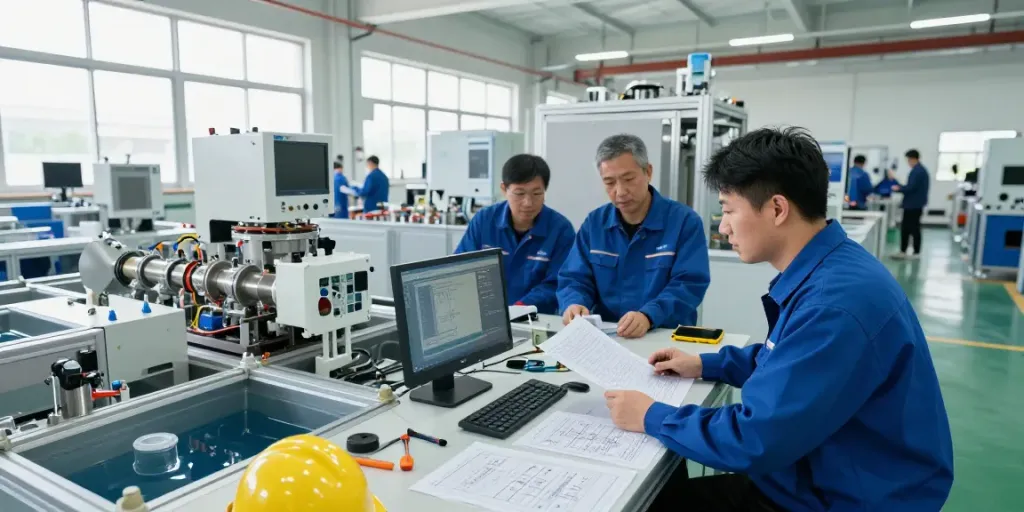
Integrated Modular Systems are frameworks designed to combine various operational units into a single, cohesive entity. Unlike traditional systems that operate in silos, these modular setups facilitate interconnectivity and interoperability among different components. This results in a more efficient workflow, reducing bottlenecks and enhancing performance. Typically, these systems consist of pre-engineered components that can be rapidly deployed to address specific operational challenges, particularly in the water treatment sector.
Key Components of Integrated Modular Systems
The effectiveness of Integrated Modular Systems stems from their core components. The primary elements often include:
- Modular Units: Standardized components that can be easily integrated or replaced without extensive downtime.
- Control Systems: Advanced software solutions that provide real-time monitoring and management of operations.
- Support Structures: Frameworks that facilitate the installation and maintenance of modular units.
These components work in tandem to facilitate seamless operations, ensuring that each part contributes to the overall efficiency of the system.
Industry Applications of Integrated Modular Systems
Integrated Modular Systems have found diverse applications across various industries, particularly in water treatment. Some prominent examples include:
- Integrated Membrane Water Treatment Systems: These systems leverage advanced membrane technology to separate contaminants from water, ensuring high-quality output.
- Chemical Treatment Systems: These solutions employ chemical dosing to enhance water quality, crucial for industries dealing with variable water sources.
- DAF Integrated Treatment Systems: Dissolved Air Flotation (DAF) systems are particularly effective for wastewater with suspended solids, providing reliable performance in challenging conditions.
Benefits of Using Integrated Modular Systems
Enhanced Efficiency in Water Treatment Processes
One of the most significant advantages of Integrated Modular Systems is their ability to enhance efficiency in water treatment processes. By integrating various treatment functionalities within a single system, organizations can reduce processing times and minimize energy consumption. This leads to a higher throughput of treated water, essential for meeting the increasing demands of various sectors.
Cost-Effectiveness of Modular Systems
Cost efficiency is a critical factor for businesses evaluating their operational frameworks. Integrated Modular Systems can significantly lower installation and operational costs. Their pre-engineered nature allows for faster deployment, reducing the labor required during setup. Additionally, the modularity means that companies can scale up or down as needed, avoiding the costs associated with extensive overhauls or full system replacements.
Scalability and Flexibility in Operations
Another compelling benefit is the scalability and flexibility offered by Integrated Modular Systems. Organizations can start with a basic configuration and gradually expand their capabilities as operational demands increase. This modular approach ensures that companies can adapt quickly to changing conditions without undergoing major disruptions, a significant advantage in today’s dynamic market environment.
Challenges in Implementing Integrated Modular Systems
Common Pitfalls and Misconceptions
Despite the numerous advantages, organizations may encounter challenges when implementing Integrated Modular Systems. Common misconceptions include the belief that modular systems are less robust than traditional setups. In reality, when designed properly, modular systems can offer enhanced durability and reliability.
Overcoming Technical Limitations
Technical limitations can also pose challenges, particularly in older facilities. Integrating new modular solutions into legacy systems may require additional planning and investment. Organizations must conduct thorough assessments to identify compatibility issues and develop strategies for seamless integration.
Best Practices for Seamless Integration
To ensure successful implementation of Integrated Modular Systems, organizations should follow best practices, including:
- Conducting Comprehensive Assessments: Evaluate existing systems and identify areas where modular solutions can provide value.
- Investing in Training: Ensure that staff are adequately trained in modular system operation and maintenance.
- Leveraging Expert Consultation: Engage with experts to guide the design and integration process.
Future Trends in Integrated Modular Systems
Innovations Shaping the Future Industry
The landscape of Integrated Modular Systems is evolving rapidly. Innovations such as advanced IoT capabilities, artificial intelligence, and machine learning are poised to revolutionize how these systems operate. By integrating intelligent technologies, organizations can achieve unprecedented levels of automation and efficiency, pushing the boundaries of what is achievable in water treatment and beyond.
Environmental Considerations and Sustainability
Sustainability is an increasingly vital consideration for industries worldwide. Integrated Modular Systems are being designed with environmental concerns in mind, emphasizing waste reduction, energy efficiency, and water conservation. This shift not only meets regulatory requirements but also positions organizations as responsible stewards of natural resources.
Predictions for 2026 and Beyond
Looking ahead, the demand for Integrated Modular Systems is expected to grow substantially. As industries continue to face mounting pressure from regulatory bodies and market forces, the need for efficient, sustainable solutions will drive further investment in modular technologies. By 2026, it is anticipated that advancements in technology will lead to even more sophisticated systems capable of addressing increasingly complex operational challenges.
Case Studies and Real-World Applications
Successful Implementations of Integrated Modular Systems
Several organizations have successfully implemented Integrated Modular Systems, showcasing the real-world benefits of this approach. For instance, a major municipality adopted a DAF Integrated Treatment System, resulting in a 30% reduction in operational costs and a 50% increase in treated water output.
Lessons Learned from Industry Leaders
Industry leaders emphasize the importance of strategic planning and stakeholder involvement in the implementation process. Organizations that engage cross-functional teams are more likely to identify potential roadblocks early and develop effective strategies to overcome them.
How to Measure Success and Performance
Measuring the success of Integrated Modular Systems requires developing clear KPIs that align with organizational objectives. Metrics might include:
- Operational Efficiency: Time taken to process water or manage treatment cycles.
- Cost Savings: Reduction in operational and maintenance expenses.
- Environmental Impact: Volume of water saved or amount of waste reduced.
What are Integrated Modular Systems?
Integrated Modular Systems are advanced frameworks that combine various operational units to streamline processes and enhance overall efficiency. They are extensively used in water treatment and other industries where effective resource management is crucial.
How much does a modular system cost?
The cost of an Integrated Modular System can vary significantly based on the complexity of the system and the specific components required. Organizations should conduct a thorough cost-benefit analysis to determine the most economically viable options for their needs.
What is the difference between modular and integrated design?
While both modular and integrated designs aim to enhance system efficiency, modular design focuses on individual components that can operate independently, whereas integrated design emphasizes the interconnection and functionality of these components as a unified system.
What are the advantages of integrated modular solutions?
The primary advantages of integrated modular solutions include increased efficiency, cost-effectiveness, scalability, and reduced downtime during installation and maintenance. These benefits make them attractive solutions for various industries, particularly in the water sector.
Can integrated modular systems be customized?
Yes, one of the key strengths of Integrated Modular Systems is their ability to be customized according to specific operational needs. Organizations can select modules that align with their requirements, ensuring that the system can evolve as demands change.