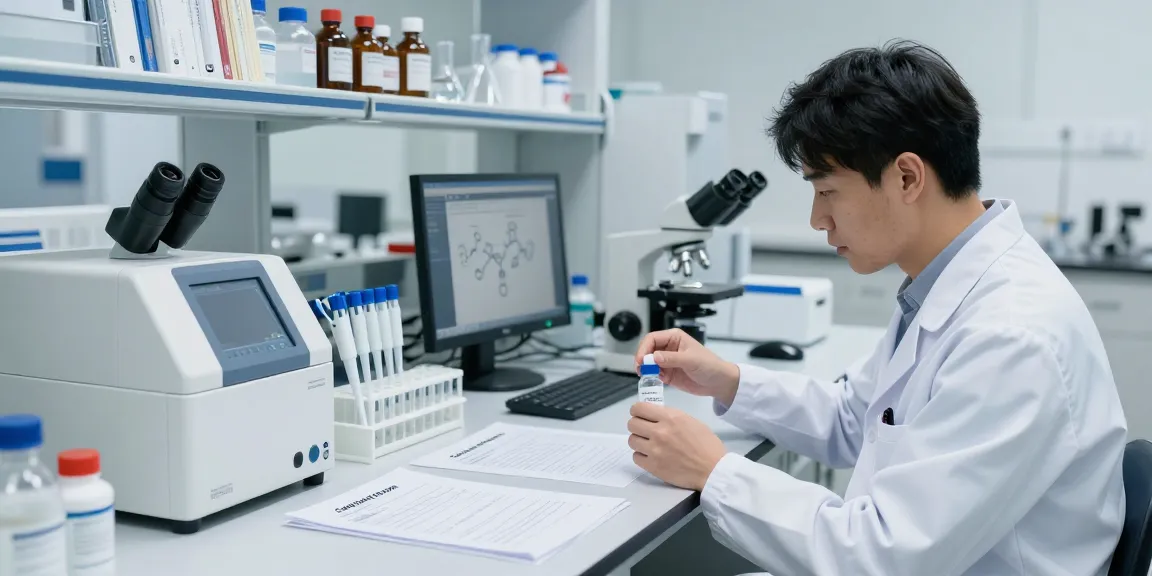
Understanding the KLOW Peptide Stack
The introduction of the KLOW peptide stack by Koi Peptides represents a significant advancement in the realm of peptide research for laboratory applications. This innovative blend, launched in 2026, is designed specifically for research use, combining four potent peptides—GHK-Cu, BPC-157, TB-500, and KPV—into a single lyophilized formulation. This has major implications for researchers looking for reliable and documented multi-peptide blends that facilitate ease of use and rigorous scientific inquiry.
What is the KLOW Peptide Stack?
The KLOW Peptide Stack is a refined multi-peptide blend formulated for laboratory research purposes only. By integrating four key components—GHK-Cu, BPC-157, TB-500, and KPV—into one product, Koi Peptides provides researchers with a consolidated option that enhances efficiency while maintaining rigorous scientific standards. Each batch undergoes extensive testing for identity and purity, and a per-batch Certificate of Analysis (CoA) ensures traceability and quality assurance.
Components of the KLOW Peptide Stack
- GHK-Cu: A copper-binding tripeptide known for its regenerative properties.
- BPC-157: A synthetic pentadecapeptide recognized for promoting healing and tissue repair.
- TB-500: A peptide derivative of thymosin beta-4, often linked to enhanced recovery and muscle repair.
- KPV: A tripeptide that has drawn attention for its potential anti-inflammatory effects.
Applications in Laboratory Research
The KLOW peptide stack is specifically tailored for in vitro applications, allowing researchers to explore the synergistic effects of its components in various experimental conditions. Its unique formulation simplifies the experimental setup, enabling scientists to examine the interactions among these peptides without the need for managing multiple vials. Consequently, it supports research into the areas of regenerative medicine, wound healing, and tissue repair, allowing researchers to investigate the combined therapeutic potentials of these peptides effectively.
The Science Behind Each Component
GHK-Cu: Role and Benefits
GHK-Cu, a well-studied copper-binding peptide, is integral to the KLOW Peptide Stack. Known for its regenerative capabilities, GHK-Cu plays a role in modulating inflammation and promoting wound healing. The peptide’s affinity for copper ions enhances its stability and efficacy, making it a critical component in various research applications focused on skin repair and tissue regeneration. Moreover, studies have indicated that GHK-Cu may activate genes related to tissue remodeling, which positions it as a valuable asset in regenerative therapies.
BPC-157: Characteristics and Uses
BPC-157 is another pivotal element of the KLOW Peptide Stack, characterized as a synthetic pentadecapeptide comprising 15 amino acids. This peptide has garnered attention for its ability to accelerate healing processes, particularly in connective tissue, muscle, and ligaments. Research has demonstrated its potential in mitigating the effects of inflammatory conditions and enhancing the recovery of damaged tissues, contributing significantly to its application in laboratory investigations surrounding therapeutic interventions and healing protocols.
TB-500 and KPV: Synergistic Effects in Studies
TB-500, known for its role in enhancing recovery processes by promoting cell migration, has synergistic effects when combined with BPC-157. It is often explored in muscle repair studies as it facilitates the regeneration of damaged tissues. On the other hand, KPV, a tripeptide, is recognized for its anti-inflammatory properties and has shown promise in modulating immune responses. The combination of these peptides within the KLOW Peptide Stack may provide a multifaceted approach to research, opening new avenues for studying healing and tissue regeneration.
Quality Control Measures for the KLOW Peptide Stack
Ensuring Purity with HPLC Techniques
Koi Peptides employs advanced high-performance liquid chromatography (HPLC) techniques to ensure the purity of KLOW Peptide Stack. This method enables the separation and quantification of the peptide components, allowing for an accurate assessment of purity by evaluating the area percent represented by each component's peak in the chromatographic output. Ensuring that each lot meets stringent purity criteria is crucial for maintaining the integrity of research findings.
Mass Spectrometry for Identity Verification
To confirm the identity of the peptides within the KLOW stack, Koi Peptides employs mass spectrometry techniques, including electrospray ionization mass spectrometry (ESI-MS) and matrix-assisted laser desorption/ionization time-of-flight (MALDI-TOF). These methods enable researchers to compare the observed mass-to-charge signals against the theoretical values, ensuring that the precise peptide sequences are present in each formulation and aiding in the detection of any sequence variations or contamination that could compromise experimental outcomes.
Importance of Certificates of Analysis
Each batch of the KLOW Peptide Stack is accompanied by a Certificate of Analysis (CoA), which includes essential data regarding the identity, purity, and endotoxin levels of the peptides. This documentation not only supports quality assurance but also facilitates traceability, allowing researchers to match the product received with the specific analytical results. The CoA plays a vital role in providing confidence that the peptides used in experiments meet the required quality standards, enhancing reproducibility across studies.
Research Use Only: Understanding the Legal Context
Regulatory Stance on Peptides
Understanding the regulatory landscape surrounding peptide use is critical for researchers. The KLOW Peptide Stack is supplied strictly for research use only, ensuring compliance with regulations that govern the sale and distribution of peptide products. It is not intended for human or animal consumption, nor is it classified as a dietary supplement, aligning with current guidelines that delineate research-grade materials from consumer products.
Safety and Compliance in Laboratory Settings
Safety remains a paramount concern in laboratory settings when working with peptides. Koi Peptides emphasizes the importance of proper handling, storage, and usage protocols for the KLOW Peptide Stack to mitigate risks associated with chemical handling. Researchers are encouraged to adhere to institutional guidelines and relevant safety regulations to ensure compliance and maintain safe laboratory environments.
Educating Researchers on Proper Use
Education regarding the correct use of the KLOW Peptide Stack is essential for maximizing its research potential. Koi Peptides aims to provide comprehensive documentation and resources that guide researchers in appropriately utilizing the product in experimental designs. This educational approach fosters a deeper understanding of peptide interactions and their implications in scientific studies.
Future Trends in Peptide Research
Emerging Applications of KLOW Peptide Stack
The KLOW Peptide Stack is poised to play a role in various emerging trends within peptide research. As the scientific community continues to explore the therapeutic potentials of peptides, the stack's ability to offer multi-faceted benefits may pave the way for novel applications in regenerative medicine, sports science, and beyond. Researchers are encouraged to delve into innovative studies that utilize the KLOW blend to explore uncharted territories in peptide functionality.
Potential Developments in Laboratory Practices
As research methodologies evolve, the demand for robust, quality-controlled peptide blends such as the KLOW Peptide Stack will likely rise. Advances in analytical techniques, coupled with an ongoing focus on compliance and quality assurance, will shape laboratory practices to become more streamlined and effective. Researchers can expect increased emphasis on documentation and traceability in the procurement of peptide materials, making Koi Peptides' offerings particularly relevant.
Impact on Scientific Research and Innovations
The ability to integrate multiple peptides into a single stack marks a significant advancement in the peptide research landscape. By embracing such innovations, researchers can facilitate comprehensive studies that investigate the collaborative effects of peptides on biological systems. These findings have the potential to contribute to breakthroughs in therapeutic strategies and enhance our understanding of biological processes at the molecular level.
What is the KLOW peptide stack?
The KLOW peptide stack is a multi-peptide blend designed for laboratory research, incorporating GHK-Cu, BPC-157, TB-500, and KPV into a single product, facilitating ease of use in scientific studies.
How does KLOW differ from other peptide stacks?
KLOW differs from other peptide stacks primarily by its inclusion of KPV, which is not commonly found in many other formulations, enhancing its therapeutic potential in research contexts.
What are the benefits of using the KLOW peptide stack in research?
Utilizing the KLOW peptide stack allows researchers to conduct studies with a verified blend, simplifying their experimental design and ensuring consistent quality and purity across batches, as evidenced by the accompanying Certificates of Analysis.
What quality control methods are used for KLOW peptide stack?
Koi Peptides employs HPLC and mass spectrometry for purity and identity verification, respectively, ensuring that each batch of the KLOW peptide stack meets rigorous quality control standards.
How can researchers verify their KLOW peptide stack products?
Researchers can verify the KLOW peptide stack products by checking the lot number on the product label against the Certificate of Analysis provided, confirming the identity and purity metrics listed therein.