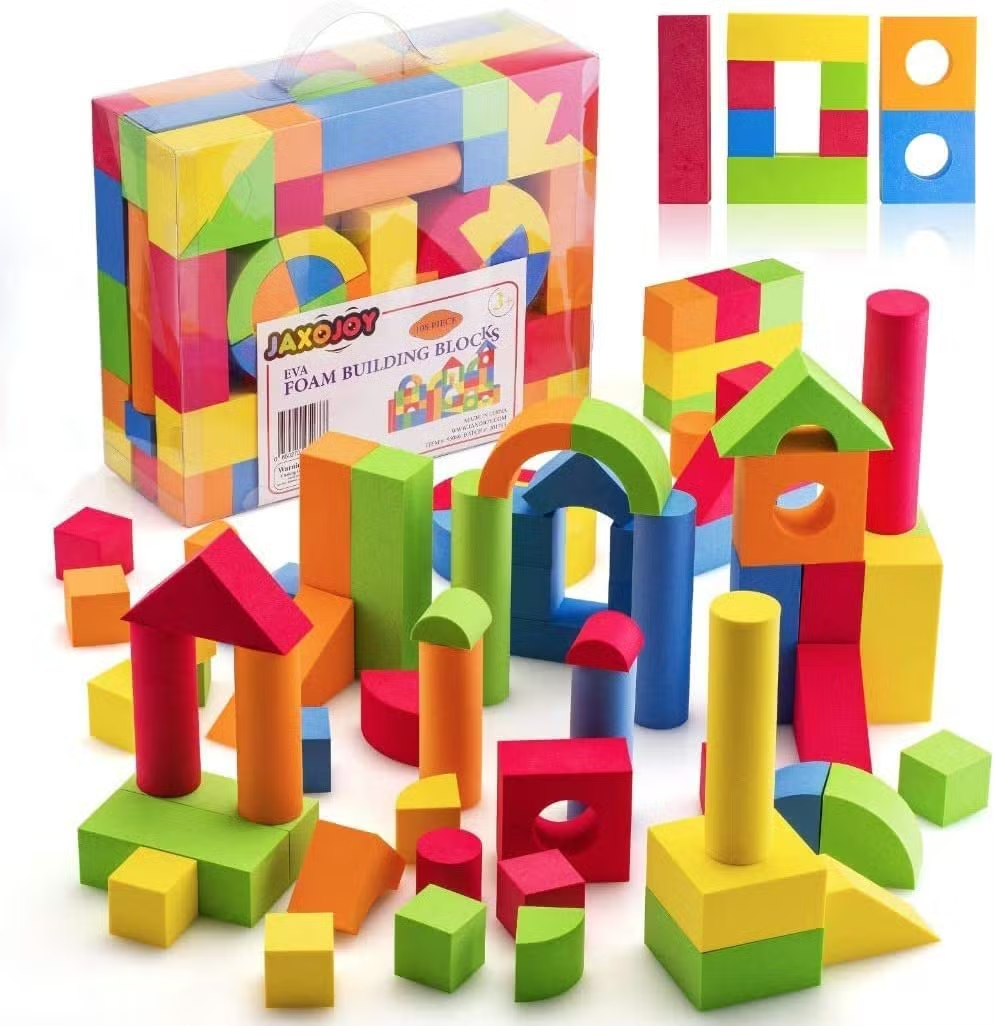
Selecting the Right Giant Foam Building Blocks
When embarking on the adventure of purchasing giant foam building blocks for your child, making an informed decision is crucial. From understanding different materials to assessing safety standards, each aspect can significantly impact your child's play experience. For comprehensive insights on these blocks, get the details.
Understanding Different Materials
Giant foam building blocks are typically made from a variety of materials, each offering distinct benefits and features. The most common materials include:
- EVA Foam: Ethylene-vinyl acetate foam is lightweight, soft, and durable, making it a popular choice for children's toys. Its cushioned texture ensures safety and comfort during play.
- Polyethylene Foam: This type is known for its excellent durability and resistance to moisture, which makes it suitable for indoor and outdoor use. Although it’s slightly firmer than EVA foam, it still provides a safe environment for play.
- Rubber Foam: Offering incredible resilience, rubber foam blocks can withstand rigorous play without compromising their shape or integrity. They are, however, heavier, which might limit portability.
Understanding these materials allows parents to choose blocks that align with their child’s play style and safety needs.
Size Considerations for Safe Play
The size of foam building blocks significantly affects both safety and creativity. Here are some guidelines when selecting sizes:
- Small Blocks: Ideal for younger children, usually ranging from 4 to 6 inches. Their manageable size allows toddlers to manipulate and stack without the risk of injury.
- Medium Blocks: Typically around 12 to 18 inches, these are suitable for children aged three and up. They encourage more complex structures and creative play yet remain light enough for safe handling.
- Large Blocks: Ranging from 24 inches upwards, these blocks challenge children’s motor skills and inspire larger constructions but should be used with supervision to prevent potential accidents.
By selecting the appropriate size of blocks, caregivers can enhance both the safety and creativity of playtime.
Evaluating Safety Standards and Certifications
When shopping for foam building blocks, ensuring they meet safety standards is paramount. Look for the following certifications:
- ASTM F963: This allows for toys to be tested for safety in the United States, focusing on choking hazards, suffocation risks, and other injuries.
- EN71: The European equivalent of ASTM, this certification ensures toys are safe for children, taking into account the same risks and testing protocols.
- PHthalate-Free: Ensures that the foam used does not contain harmful chemicals that could pose health risks to children.
Choosing certified blocks gives parents peace of mind, knowing they have purchased safe products for their children.
Benefits of Giant Building Blocks for Child Development
Giant foam building blocks are not just fun toys; they are powerful tools for child development. Let’s explore the various benefits they can offer.
Enhancing Fine and Gross Motor Skills
Manipulating giant foam blocks allows children to refine their fine motor skills as they grasp, stack, and balance the blocks. Gross motor skills are equally enhanced when children engage in crawling over or lifting larger blocks, promoting physical coordination and strength. Activities that involve stacking, pulling apart, and balancing help children develop these essential skills while having fun.
Boosting Creativity Through Open-Ended Play
One of the most significant advantages of giant foam building blocks is their ability to foster creativity. With no predetermined purpose, children are encouraged to use their imagination to create whatever they desire. Whether building a castle, spaceship, or obstacle course, the possibilities are endless. This open-ended play scenario cultivates divergent thinking and problem-solving skills as children navigate through their constructions.
Encouraging Social Interaction Among Peers
Playing with giant foam blocks can be a social activity that encourages collaboration and teamwork. Children naturally gravitate towards shared play experiences, where they can build and create together. This fosters important social skills, such as communication, negotiation, and conflict resolution. Even simple activities, like constructing towers together, can lead to interactive and constructive social dynamics among peers.
Fun Play Ideas with Giant Building Blocks
To keep playtime engaging, here are some innovative ideas designed to make the most out of your giant foam building blocks.
Constructing Themed Play Sets
Themed play sets can transform giant building blocks into vibrant environments. For example, children can build a zoo, a pirate ship, or a medieval castle. By incorporating costumes and props related to the themes, children can dive deeper into imaginative play, enriching their storytelling and role-playing experiences. Additionally, providing visual cues, such as pictures of what they can build, can serve as inspiration while they play.
Interactive Learning Games for Various Ages
Giant building blocks can be integrated into educational activities to enhance learning. For younger children, you could create a shape-matching game using blocks of different shapes and colors. For older children, consider building structures based on specific mathematical concepts, like volume or symmetry. Incorporating simple math or literacy challenges can diversify play while reinforcing educational concepts in a fun and engaging way.
Integrating Blocks into Storytelling Activities
Using giant building blocks for storytelling can enrich narrative skills and foster creativity. Parents or educators can initiate a story and encourage children to build scenes or objects that belong to that narrative. For instance, if the story involves a jungle adventure, children could create trees, animals, or huts. This interactive approach helps children visualize the story while simultaneously developing their language skills.
Storage and Maintenance Tips for Long-Lasting Use
To ensure giant foam building blocks serve their purpose for years, consider these essential tips for storage and maintenance.
Best Practices for Cleaning Foam Blocks
Cleaning foam blocks is simple but essential for hygiene. Use a mild soap solution and a soft cloth to wipe down the blocks regularly. Avoid harsh chemicals or abrasive materials, as they can damage the foam. For deeper cleaning, a diluted vinegar solution can effectively disinfect without introducing harmful substances.
Effective Storage Solutions for Play Areas
Creating a designated storage area for foam blocks helps maintain an organized play space. Consider utilizing bins or shelves that are easily accessible to children, ensuring they can help clean up after playtime. Stackable storage solutions work well for saving space while providing visibility, allowing children to see their options and encourage independent play.
Regular Safety Checks and Upkeep
Conducting regular safety inspections is crucial for maintaining the integrity of foam blocks. Check for any signs of wear and tear, such as cracks or tears that could pose a risk. Replace blocks that have been damaged to keep play safe and enjoyable. Additionally, remind children about safe play practices, such as not climbing on blocks or throwing them.
Frequently Asked Questions About Giant Foam Blocks
What age group are giant foam building blocks suitable for?
Giant foam blocks are suitable for various age groups, typically from toddlers (age 1+) to children around 6 years old. The appropriate size should be selected based on the child’s age and developmental stage.
Can giant foam blocks be used outdoors?
Yes, many giant foam blocks are designed for both indoor and outdoor use. However, ensure that they are made from UV-resistant materials if left outside for extended periods.
Are foam blocks easy to clean and maintain?
Giant foam blocks are easy to maintain. Regular cleaning with a mild soap solution is recommended to keep them hygienic. Avoid harsh chemicals to protect the material.
How can foam blocks support learning?
Foam blocks support learning by promoting fine motor skills, creativity, and problem-solving. They can also be integrated into educational games that teach shapes, math, and literacy skills.
Where can I purchase quality giant foam building blocks?
Quality giant foam building blocks can be purchased through toy stores, specialty children's shops, and online retailers that focus on educational or developmental toys.