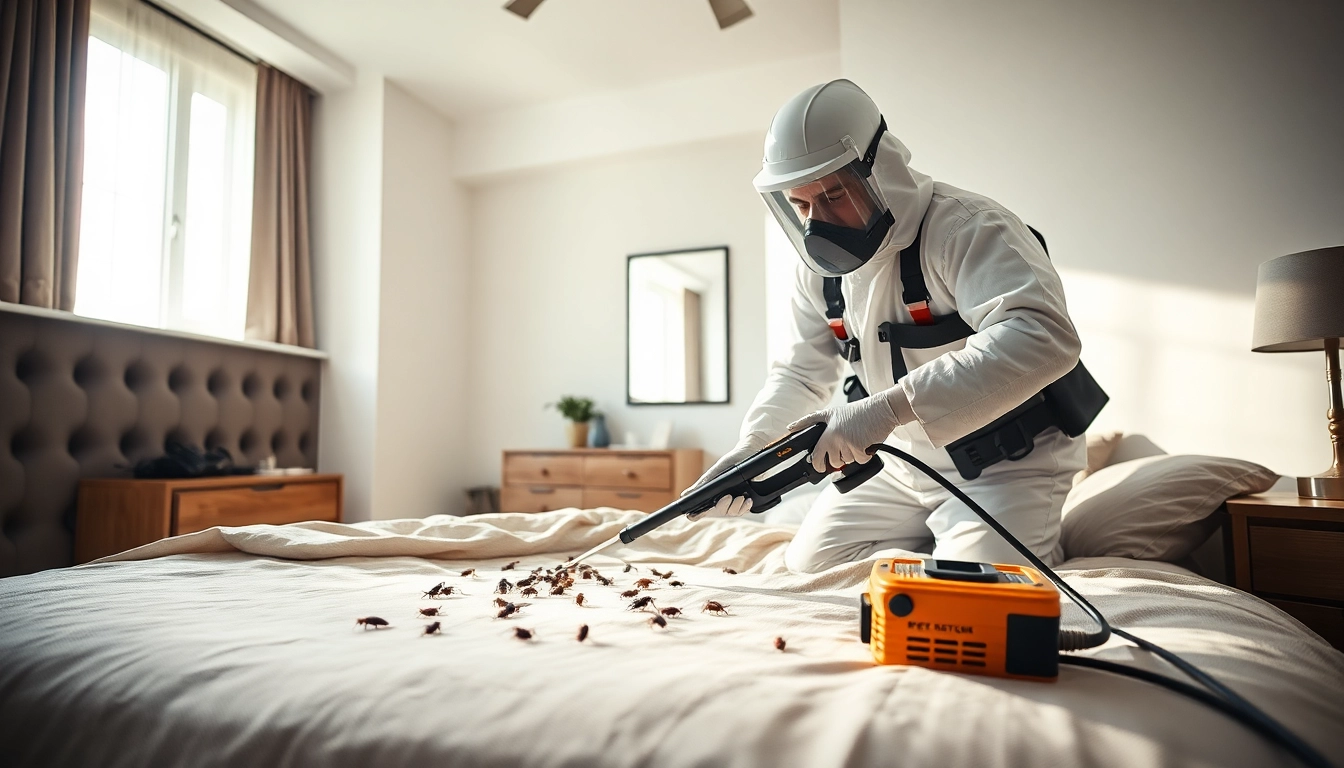
Understanding Bed Bug Infestations
What Are Bed Bugs?
Bed bugs, scientifically known as Cimex lectularius, are small, reddish-brown insects that feed exclusively on the blood of warm-blooded animals, including humans. They typically thrive in warm environments and can be found in various habitats, including homes, hotels, and apartments. Their nocturnal feeding habits make them particularly troublesome, as they tend to bite while their host is asleep. Understanding their biology and behavior is crucial for effective bed bug pest control methods.
Signs of Infestation
Identifying a bed bug infestation early can help in mitigating the problem before it escalates. Common signs include:
- Bite Marks: Raised, red bumps, often in a line or cluster, on exposed skin after sleeping.
- Spotting: Small dark stains (bed bug excrement) on bedding or nearby surfaces.
- Shells: The shedding of bed bug exoskeletons, which can be found in areas where they hide.
- Eggs: Tiny white eggs that are often found in cracks and crevices.
Health Risks Associated with Bed Bugs
While bed bugs are not known to transmit any diseases, their bites can cause various health issues. This includes allergic reactions, secondary infections from scratching, and psychological effects such as anxiety and insomnia stemming from the stress of an infestation. Proper awareness of these health risks underscores the importance of swift and effective bed bug pest control strategies.
Bed Bug Pest Control Methods
DIY Treatments
Do-it-yourself (DIY) treatments can be effective in managing minor bed bug infestations. Here are some strategies:
- Heat Treatment: Expose infested items to high temperatures (at least 115°F) for several minutes. This can effectively kill bed bugs in all life stages.
- Vacuuming: Regularly vacuuming infested areas can help remove bugs and eggs. Ensure to dispose of vacuum contents in a sealed bag outside the home.
- Steam Cleaning: Utilizing steam cleaners can be an effective way to kill bugs hiding in fabric and upholstery.
- Encasements: Bed bug-proof mattress and box spring encasements can trap any existing bugs and prevent new ones from entering.
Hiring Professional Services
For severe infestations or if DIY methods prove unsuccessful, hiring a professional pest control service is often necessary. Professionals can offer:
- Targeted Treatments: Customized solutions including chemical and non-chemical methods.
- Expertise: Professionals are trained to identify infested areas and use the right techniques.
- Integrated Pest Management: A holistic approach that uses a combination of methods for long-term success.
Integrated Pest Management (IPM)
Integrated Pest Management emphasizes a comprehensive strategy to control bed bugs. Key components include:
- Inspection: Conducting thorough inspections to determine the extent of the infestation.
- Identification: Properly identifying the pest to choose the most effective treatment.
- Prevention: Implementing measures to prevent future infestations, such as educating occupants about bed bug signs.
Prevention Strategies for Bed Bugs
Home Hygiene Practices
Maintaining good hygiene is critical for preventing bed bug infestations. Consider these practices:
- Declutter: Reduce clutter around sleeping areas to minimize hiding spots for bed bugs.
- Laundering: Regularly wash bedding, linens, and clothing in hot water and dry on high heat.
- Vacuum Regularly: Regularly vacuum carpets, upholstery, and baseboards to capture any wandering bugs.
Traveling Tips to Avoid Bed Bugs
Traveling can unintentionally lead to bed bug introductions into your home. Follow these guidelines:
- Inspect Lodging: Check hotel beds and furniture for signs of bed bugs before unpacking.
- Luggage Care: Keep luggage off the bed and on hard surfaces. Consider using luggage encasements.
- Post-Travel Check: After returning home, inspect and launder travel clothes immediately.
Regular Inspections
Performing routine inspections in your home can catch bed bug issues early. Key areas include:
- Mattresses and Box Springs: Check seams and folds for signs of infestation.
- Nightstands and Headboards: Inspect these places where bed bugs may hide close to sleeping areas.
- Upholstered Furniture: Thoroughly check couches and chairs for any signs of bugs.
Cost Considerations in Bed Bug Pest Control
Average Costs of Treatments
The cost of bed bug pest control varies widely based on treatment methods and the extent of infestation. On average, DIY treatments may cost between $50 to $150, while professional services can range from $200 to $1,500 depending on the size of the area treated and the severity of the infestation.
Factors Influencing Treatment Costs
Several factors can influence the final cost of bed bug treatments:
- Infestation Severity: More severe infestations will require more intensive, and often costly, treatments.
- Size of Infestation Area: Larger areas will incur higher costs due to increased labor and materials.
- Method of Treatment: Specialized methods, like heat treatment, may have additional costs associated with equipment rental or service.
- Geographic Location: Prices may vary based on regional demand and availability of services.
Insurance and Pest Control Services
Understanding your insurance coverage is crucial when dealing with bed bug infestations. Some homeowner policies may cover pest control, while others consider it a maintenance issue. It’s important to review your policy's details and consider preventive measures as part of regular home maintenance to avoid significant expenses in the future.
Common Questions About Bed Bug Pest Control
How Long Does Bed Bug Treatment Take?
The duration of bed bug treatment can vary. Professional treatments typically range from a few hours for initial applications to several weeks for follow-up visits depending on the severity of the infestation.
Are Bed Bugs Hard to Eliminate?
Bed bugs can be challenging to eliminate due to their nocturnal habits and resilience in various environments. A combination of methods is often required for effective control.
What to Expect During Professional Treatment?
During professional treatments, expect a thorough inspection, treatment application involving heat, steam, or chemical solutions, and follow-up visits to ensure all bugs have been eliminated.
FAQs
How Can I Tell if I Have Bed Bugs?
Look for bite marks on your skin, small dark spots on bedding, shed skins, or live bed bugs in your mattress seams or furniture.
Can I Get Rid of Bed Bugs on My Own?
Yes, minor infestations can often be managed with DIY methods such as heat treatment, vacuuming, or steam cleaning. More severe cases may require professional help.
Do Bed Bugs Carry Diseases?
No, bed bugs are not known to spread diseases. However, their bites can cause discomfort and allergic reactions.
What's the Difference Between Bed Bugs and Other Insects?
Bed bugs are specifically designed to feed on blood and are nocturnal. Other pests may not have the same feeding habits or habitat preferences.
How Often Should I Inspect for Bed Bugs?
Regular inspections are recommended, especially after traveling or new furniture purchases. Aim for at least twice a year for effective prevention.