Understanding Private Wine Tasting
What is a Private Wine Tasting?
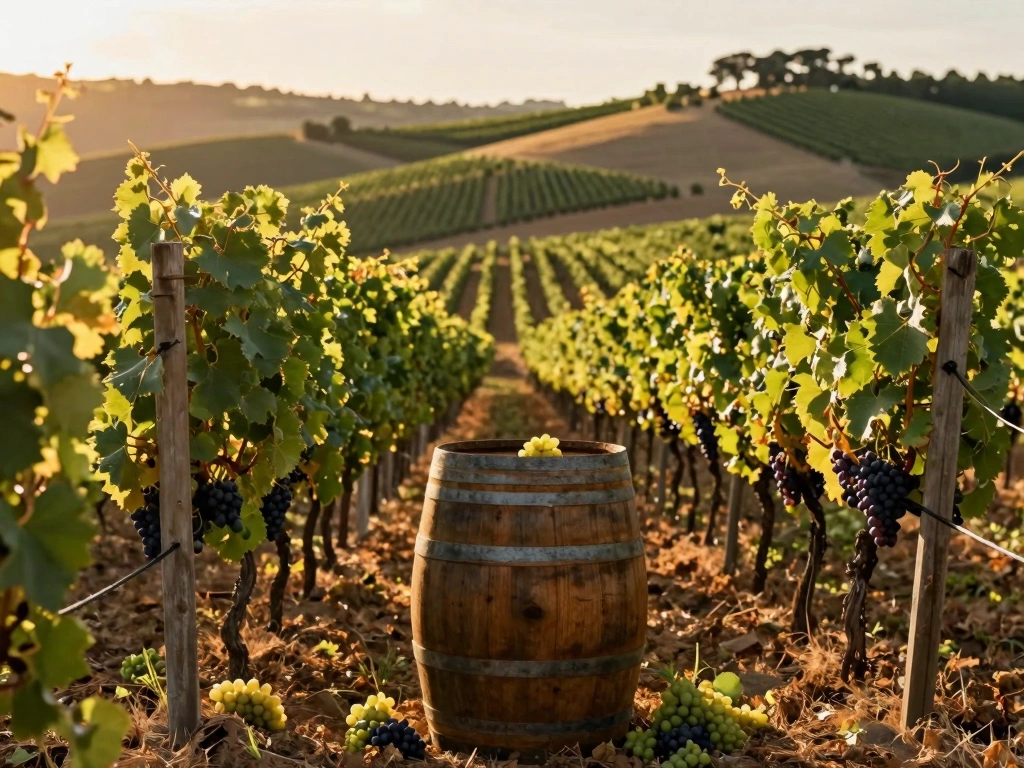
A private wine tasting is an exclusive event where individuals or small groups sample different wines in a secluded setting. This intimate format allows guests to engage with wine experts, learn about the subtleties of each wine, and enjoy personalized experiences tailored to their preferences. The Sacramento Delta region, known for its fertile soil and favorable climate, produces a diverse range of wines, making it an ideal backdrop for these tastings. Furthermore, engaging in a private wine tasting sacramento delta ensures that attendees can explore high-quality local vintages while enjoying an experience designed to enhance their appreciation for wine.
Benefits of Private Wine Tasting Sacramento Delta
Private wine tastings in the Sacramento Delta offer numerous benefits that enhance the overall experience:
- Personalized Experience: Tailored tastings allow guests to focus on their specific interests, whether that's exploring regional varietals or learning about wine production.
- Expert Guidance: Accessibility to sommeliers or winemakers who provide insights and answer questions creates an educational component not found in large tastings.
- Intimate Atmosphere: Smaller groups foster a more relaxed environment where participants can engage more freely.
- Scenic Locations: The natural beauty of the Sacramento Delta enhances the experience, providing picturesque views while sipping fine wines.
- Social Interaction: Private tastings encourage deeper conversations and connections, making it a great option for celebrations, corporate events, or gatherings among friends.
How to Choose the Right Location
Choosing the right venue for a private wine tasting is critical to the success of the event. Consider the following factors:
- Accessibility: Ensure that the location is easy for your guests to reach, especially if transportation is a concern.
- Atmosphere: Look for venues that reflect the ambiance you wish to create, whether it's rustic, elegant, or modern.
- Capacity: Consider the size of your group. It’s essential to choose a venue that accommodates your guest list comfortably.
- Winery Experience: Some venues offer on-site winemakers who can provide direct insights into their wines, enhancing the tasting experience.
- Additional Amenities: Consider whether you would like to include catering or entertainment, and choose a location that can accommodate these needs.
Preparing for Your Tasting Experience
Tips for Selecting Wines
Choosing the right wines is crucial to creating a memorable private tasting. Here are some tips:
- Varietal Variety: Select a mix of varietals to showcase the diversity of the region. Aim to include whites, reds, and possibly rosé or sparkling wines.
- Local Producers: Highlight wines from local vineyards to enhance the connection to the Sacramento Delta.
- Tasting Themes: Consider selecting wines based on themes, such as "Old World vs. New World" or specific grape varietals.
- Reading Reviews: Use resources and reviews to identify high-quality wines that others have enjoyed, ensuring a selection that will resonate with your guests.
- Budget Considerations: Balance quality and price; it's possible to find excellent wines that fit a variety of budgets.
Pairing Wine with Food
Food and wine pairings can significantly elevate the tasting experience. Here’s how to approach it:
- Classic Pairings: Familiarize yourself with classic pairings, such as Chardonnay with seafood or Cabernet Sauvignon with red meat.
- Tasting Order: Begin with lighter wines and progress to heavier wines, allowing guests to fully appreciate the flavors without overwhelming their palates.
- Small Plates: Consider serving small food items that complement the wines, providing guests with an opportunity to taste various flavor combinations.
- Dietary Restrictions: Be aware of any dietary restrictions among guests and plan accordingly to ensure everyone can partake.
- Descriptive Labels: Provide tasting notes or descriptions next to each dish, encouraging guests to think about how the flavors interact.
Setting the Mood for Your Tasting
The ambiance of your tasting can set the tone for the entire event. Here are key elements to consider when creating the right atmosphere:
- Lighting: Opt for soft lighting to create an intimate ambiance. Candlelight can add an elegant touch.
- Soundtrack: Curate a playlist that complements the atmosphere, ensuring that it’s appropriate for background music without overpowering conversation.
- Decor: Use decor that reflects the theme of the tasting or the aesthetic of the wine, such as rustic table settings or elegant glassware.
- Comfortable Seating: Provide comfortable seating options that encourage guests to linger, fostering discussions about the wines.
- Corkage Options: If you plan to serve wines outside the chosen selection, verify corkage fees and policies with the venue in advance.
Enhancing Your Wine Tasting Journey
Incorporating Themes into Your Tasting
Adding a theme to your private wine tasting can enhance engagement and create a more memorable experience. Here are some creative theme ideas:
- Regional Exploration: Focus on wines from a specific region, such as the Napa Valley, to provide insight into the terroir and winemaking practices.
- Vertical Tasting: Choose different vintages of the same wine to showcase how aging changes flavor and complexity.
- Grape Varietal Showdown: Select wines from various producers that focus on a single grape type to compare different expressions.
- International Experience: Curate wines from around the world, creating a mini-vacation for the palate.
- Food Pairing Focus: Plan a tasting specifically around food and wine pairings, enhancing flavors by carefully selecting complementary dishes.
Educational Components of Tasting
Incorporating educational elements into your wine tasting can add immense value, helping guests deepen their understanding of wine:
- Guest Speaker: Having a sommelier or winemaker present to share stories and insights about the wines can enrich the experience.
- Tasting Journals: Provide journals for guests to take notes, encouraging engagement and personal reflection on each wine.
- Interactive Activities: Consider incorporating blind tastings or games that challenge guests’ palates and deepen their appreciation of different styles.
- Guided Tasting Videos: Use multimedia to support learning, showing short clips that explain winemaking processes or tasting techniques.
- Wine Culture Discussion: Lead discussions about the history, culture, and trends in the wine industry, paving the way for greater appreciation.
Virtual vs. In-Person Private Tastings
As the world adapts to changing conditions, understanding the merits of in-person and virtual tastings is essential:
- In-Person Tastings: These provide immersive experiences, allowing guests to physically explore locations and interact directly. The sensory aspects of tasting wines are heightened in person.
- Virtual Tastings: Offer flexibility and accessibility, allowing participation regardless of location. They can include wine delivery to guests' homes and virtual interactions with wine experts.
- Hybrid Experiences: Combine both formats, giving guests the option to attend in person or virtually, catering to different comfort levels and preferences.
- Cost Considerations: Often, virtual tastings can be more budget-friendly due to reduced venue costs. Evaluate which format aligns best with your goals and audience.
- Technology Setup: If hosting virtually, ensure you have a solid setup, using quality video conferencing tools to replicate an engaging in-person experience.
Optimizing Your Private Wine Tasting Event
Creating a Guest List
Your guest list can greatly influence the dynamics of the tasting. Consider the following when creating yours:
- Diverse Interests: Include guests with varying levels of wine knowledge, as this can spark discussions and exchanges of insights.
- Social Dynamics: Ensure that guests know each other or are likely to engage positively, fostering a lively atmosphere of shared experiences.
- Small to Medium Size: Limit invitees to ensure an intimate setting where everyone can participate without feeling overwhelmed.
- Inclusivity: Aim to invite individuals from different backgrounds to encourage varied perspectives and insights throughout the tasting.
- RSVP Management: Keep track of RSVPs to effectively plan seating and accommodations, scaling the experience appropriately.
Engaging a Sommelier or Expert
Bringing in a sommelier or a wine expert can enhance the overall experience significantly. Here’s why this might be beneficial:
- Expert Knowledge: A somm can provide valuable insights into the wines being tasted, enhancing appreciation and understanding.
- Tasting Techniques: They can teach guests proper tasting techniques, allowing for a richer evaluation of each wine.
- Personalized Recommendations: Experts can tailor selections based on guests’ preferences, ensuring a satisfying experience for everyone.
- Interactive Engagement: Their ability to engage guests and facilitate discussions often leads to a more vibrant atmosphere.
- Event Coordination: Sommeliers can assist with coordination, ensuring a smooth flow of the tasting with well-timed interactions and discussions.
Incorporating Entertainment Options
Adding entertainment to your private wine tasting can create a more festive and enjoyable atmosphere. Consider these ideas:
- Live Music: Consider hiring local musicians to provide a relaxing background ambiance, enhancing the overall sensory experience.
- Cooking Demonstrations: Pair wine tastings with culinary demonstrations that show how to create dishes that complement the wines.
- Wine Trivia: Incorporate fun trivia games related to wine to engage guests and promote interaction.
- Artist or Art Display: Have a local artist display their work or create art live during the event, adding a cultural element to the experience.
- Photo Booth: Provide a space for photos where guests can capture memories of the tasting, serving both as entertainment and a keepsake.
Frequently Asked Questions
What should I expect during a private wine tasting?
Guests can expect a curated selection of wines, expert guidance on tasting techniques, and opportunities for interactive discussions.
Can I combine food with my wine tasting?
Absolutely! Food pairings enhance the flavors of the wines and provide a full sensory experience for guests.
How many wines should I choose for the tasting?
Typically, selecting 4-6 wines provides a good range for guests to appreciate without overwhelming their palates.
Are there private wine tasting experiences for larger groups?
Yes, many venues offer tailored options for larger groups, accommodating a variety of preferences and needs.
How do I prepare for a private tasting event?
Prepare by curating a guest list, selecting wines, planning food pairings, and setting the ambiance to enhance the experience.