Understanding the Role of a Real Estate Photographer
What is a Real Estate Photographer?
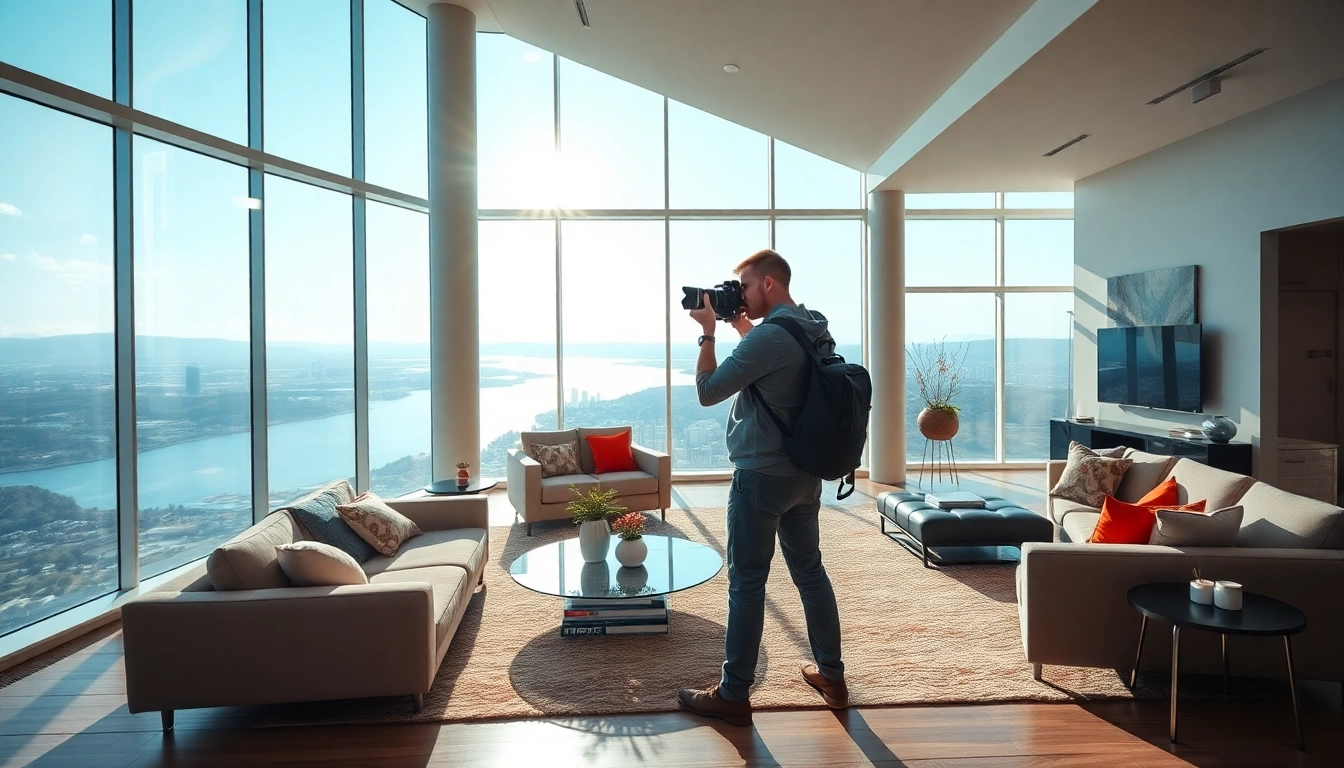
A Real Estate Photographer specializes in capturing high-quality images for properties intended for sale or lease. Their work not only involves taking pictures but also encompasses preparing the property, ensuring optimal lighting, and utilizing advanced techniques to showcase the space effectively. These professionals play a crucial role in marketing real estate by creating a visual representation that attracts potential buyers and showcases the property's best features.
Importance of Professional Photography in Real Estate
In the competitive real estate market, stunning visuals can make or break a sale. Research indicates that listings with professional photographs garner 61% more views than those with amateur images. This statistic underscores the importance of hiring a skilled Real Estate Photographer who can create images that stand out. Professional photography not only highlights property features but also evokes emotional responses, making potential buyers more inclined to visit or make an offer.
Essential Skills for a Real Estate Photographer
Effective real estate photography requires a unique set of skills and expertise. A successful real estate photographer must possess:
- Technical Camera Knowledge: Familiarity with different camera models, lenses, and settings is essential for producing high-quality images.
- Post-Processing Skills: Proficiency in editing software such as Adobe Lightroom or Photoshop is vital for enhancing images and correcting any imperfections.
- Compositional Eye: Understanding composition to create visually appealing images is crucial, emphasizing the property’s best angles and features.
- Effective Communication: Being able to understand client needs and property nuances is important for capturing the desired aesthetic.
- Patience and Flexibility: Conditions might not always be perfect, making adaptability and persistence key traits.
Key Techniques for Captivating Real Estate Photography
Camera Equipment Every Real Estate Photographer Needs
To excel in real estate photography, investing in the right equipment is crucial. Fundamental gear includes:
- Professional DSLR or Mirrorless Camera: A good camera allows for higher resolution images and better control over settings.
- Wide-Angle Lens: This is essential for capturing the entire space, making areas appear larger and more inviting.
- Tripod: Stability is crucial when shooting in low light and for bracketed exposures.
- External Flash or Lighting Kits: Proper lighting can significantly enhance interior shots and help eliminate shadows.
- Drone Camera: For aerial shots, a drone can provide stunning perspectives that ground photography cannot achieve.
Lighting Techniques for Interior and Exterior Shots
Lighting plays an integral role in photography and can dramatically affect a property's appearance. Here are essential techniques:
- Golden Hour Shooting: Capturing images during sunrise or sunset creates soft, warm light that enhances the property’s appeal.
- Natural Light Maximization: Utilizing windows and other light sources helps illuminate interiors without relying solely on artificial light.
- Flash Techniques: Understanding when to use fill flash can help reduce shadows and balance exposure, especially in dimly lit rooms.
- Lighting for Exteriors: When shooting outside, consider how the sun’s position affects shadows and highlights on the building.
Composition Tips for Engaging Property Images
The composition of your images can drastically influence the viewer's perception. Here are some tips to consider:
- Leading Lines: Use pathways or architectural elements to guide the viewer’s eye into the frame.
- Framing: Utilize overhanging branches or doorways to create a natural frame around your subject.
- Eye Level Shots: Generally, shoot at eye level to provide the most realistic and engaging viewpoint.
- Decluttering: Ensure spaces are tidy, minimizing distractions that can detract from the property’s best features.
- Creative Angles: Experiment with unique perspectives like low-angle shots or bird's-eye views to make your images stand out.
Post-Processing Tips for Real Estate Photography
Editing Software Recommendations
Proper post-processing can elevate your real estate images from good to great. Consider these software options:
- Adobe Lightroom: A powerful editing tool perfect for batch photo editing and managing workflows.
- Adobe Photoshop: Ideal for more intensive editing, allowing for detailed adjustments and retouching.
- Capture One: Known for its superior color processing and tethering capabilities for professionals.
- Photomatix: Great for HDR processing, enabling you to merge different exposures effectively.
Enhancing Images: Techniques and Best Practices
Once the right software is in hand, use these techniques to enhance your images:
- Sharpening Images: Increasing sharpness can help highlight key features, making them pop.
- Noise Reduction: Reducing noise is critical, especially in low-light shots, to improve clarity.
- Color Enhancements: Adjusting saturation and vibrancy can make colors more appealing while ensuring they remain true to life.
- Vignetting: Slightly darkening the image corners can draw attention to the center of the image, enhancing focus.
Color Correction for Realty Images
Proper color correction ensures that all images appear consistent and inviting. Steps include:
- White Balance Adjustments: Correcting the white balance helps achieve true-to-life colors, reflecting how the property appears in reality.
- Color Profiles: Use the sRGB color profile for web images to ensure colors render correctly across different devices.
- Calibration: Maintaining a calibrated monitor is crucial for achieving accurate color representation during editing.
Marketing Your Real Estate Photography Business
Creating an Attractive Portfolio as a Real Estate Photographer
Your portfolio is your visual resume. To create an attractive collection of your work, consider these tips:
- Quality Over Quantity: Curate your best work, displaying a range of styles and properties to showcase versatility.
- Including Case Studies: Add before-and-after images to highlight your post-processing skills.
- Professional Presentation: Use a clean, organized layout to make your portfolio easy to navigate and aesthetically pleasing.
Effective Online Marketing Strategies
Digital marketing is essential for reaching potential clients. Here are effective strategies:
- SOCIAL MEDIA: Utilize platforms like Instagram and Facebook to share your work and reach a wider audience.
- Website Optimization: Ensure your website is user-friendly and optimized for search engines to attract organic traffic.
- Blogging: Create valuable content related to real estate photography techniques, tips, and trends to establish authority in the field.
Networking with Real Estate Professionals
Building connections within the real estate community can enhance your opportunities significantly. Ways to network include:
- Attending Real Estate Events: Participate in local real estate meetups, seminars, or conferences to meet agents and brokers.
- Collaborating with Agents: Offer packages or discounts to real estate agents, perhaps even featuring their listings in your portfolio.
- Referral Programs: Implementing a referral program can incentivize previous clients to recommend your services to others.
Frequently Asked Questions About Real Estate Photography
What credentials do I need as a Real Estate Photographer?
While formal education is not mandatory, a background in photography, art, or design is beneficial. Certifications and a strong portfolio also enhance credibility.
How much should I charge for real estate photography?
Pricing varies by location and experience but generally ranges from $100 to $500 per session. Factors include project complexity and additional services.
What types of photography should a Real Estate Photographer offer?
A Real Estate Photographer should offer a variety of services, including high-definition images, virtual tours, drone photography, and floor plans.
How can I ensure my real estate photos stand out?
To stand out, focus on composition, lighting, and post-processing. Unique angles and attention to detail also help create compelling imagery.
What is the average turnaround time for real estate photography?
Turnaround time generally ranges from 24 to 72 hours, depending on the complexity of the shoot and the photographer's workflow.