
Introduction
Soundproofing in industrial environments is essential for controlling excessive noise generated by heavy machinery, production equipment, and mechanical systems. Proper Soundproofing ensures that workplaces remain safe, efficient, and compliant with occupational health standards. Without effective Soundproofing, continuous exposure to high noise levels can lead to hearing damage, reduced productivity, and communication issues among workers. Industrial facilities rely on Soundproofing to create a balanced acoustic environment where operations can continue without disruption. In modern factories, Soundproofing is not just an option but a necessity for sustainable industrial growth. Effective Soundproofing also improves machine performance by reducing vibration-related noise interference. Overall, Soundproofing plays a critical role in maintaining industrial efficiency and worker well-being.
Importance of Soundproofing in Industrial Areas
The importance of Soundproofing in industrial machinery areas cannot be overstated. Soundproofing helps minimize noise pollution that affects both workers inside the facility and surrounding communities. Industrial Soundproofing contributes to better concentration, allowing employees to perform tasks more accurately and safely. Additionally, Soundproofing ensures compliance with legal noise regulations that many industries must follow. Without proper Soundproofing, factories may face penalties and operational restrictions. Another key aspect is that Soundproofing enhances workplace comfort, which directly improves employee satisfaction and reduces turnover rates. In essence, Soundproofing is a fundamental requirement for any modern industrial operation aiming for efficiency and responsibility.
Challenges in Industrial Soundproofing
Implementing Soundproofing in industrial environments comes with several challenges. One major challenge is the high intensity of noise produced by heavy-duty machines, which makes Soundproofing more complex. Another issue is space limitation, as industrial setups often have compact layouts that restrict Soundproofing installation. Heat generation from machinery also affects the performance of certain Soundproofing materials. Additionally, vibration transmission through floors and structures complicates effective Soundproofing design. Cost can also be a barrier, as advanced Soundproofing systems require investment in specialized materials and engineering. Despite these challenges, effective Soundproofing solutions can still be achieved with proper planning and material selection. Overcoming these obstacles is key to achieving long-term Soundproofing success.
Effective Soundproofing Solutions for Machinery Areas
There are several effective Soundproofing solutions available for industrial machinery and equipment areas. Acoustic enclosures are one of the most common Soundproofing methods used to contain machine noise. Installing vibration isolation pads is another essential Soundproofing technique that reduces structural noise transmission. Wall paneling and ceiling treatments also contribute significantly to Soundproofing performance in factories. Using sound barriers around noisy equipment enhances overall Soundproofing effectiveness. In addition, sealing gaps and openings ensures that Soundproofing systems work efficiently without noise leakage. Regular maintenance of machinery also supports long-term Soundproofing results by minimizing unnecessary vibrations. Combining multiple Soundproofing methods ensures optimal noise reduction in industrial environments.
Materials Used in Industrial Soundproofing
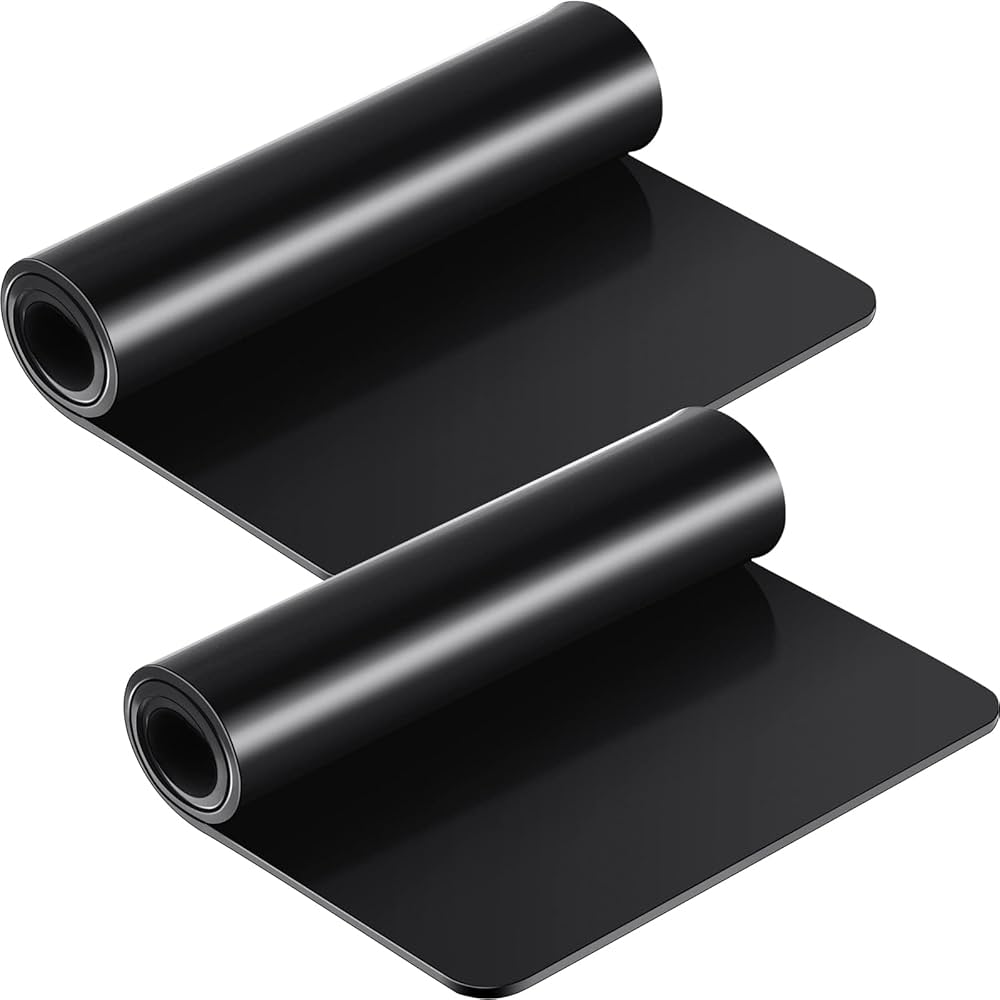
Choosing the right materials is crucial for successful Soundproofing in industrial settings. Mass-loaded vinyl is widely used in Soundproofing applications due to its high-density noise blocking properties. Acoustic foam panels also play an important role in absorbing sound waves, improving overall Soundproofing efficiency. Fiberglass insulation is another effective material used in industrial Soundproofing systems. Rubber-based vibration dampers help reduce structural noise, contributing to better Soundproofing performance. Metal enclosures with internal acoustic lining are commonly used for machine Soundproofing. Each of these materials enhances Soundproofing by targeting different types of industrial noise. Proper material selection ensures long-lasting and effective Soundproofing results.
Benefits of Soundproofing in Industrial Environments
The benefits of Soundproofing in industrial machinery areas are extensive and impactful. One major benefit of Soundproofing is improved worker health, as it reduces exposure to harmful noise levels. Soundproofing also increases productivity by creating a more focused and less distracting work environment. Another advantage of Soundproofing is enhanced equipment lifespan, as reduced vibration leads to less wear and tear. Soundproofing further improves communication within the workplace, making operations safer and more efficient. Additionally, Soundproofing helps industries meet environmental noise regulations, avoiding legal issues. Overall, Soundproofing contributes to a more sustainable and professional industrial environment.
Conclusion
In conclusion, Soundproofing is a vital component in managing noise levels within industrial machinery and equipment areas. Effective Soundproofing ensures a safer workplace, improves productivity, and supports regulatory compliance. By investing in advanced Soundproofing techniques and materials, industries can significantly reduce noise-related issues and enhance operational efficiency. Proper planning and implementation of Soundproofing solutions lead to long-term benefits for both employees and machinery. Ultimately, Soundproofing is not just a technical requirement but a strategic investment in industrial success and sustainability.