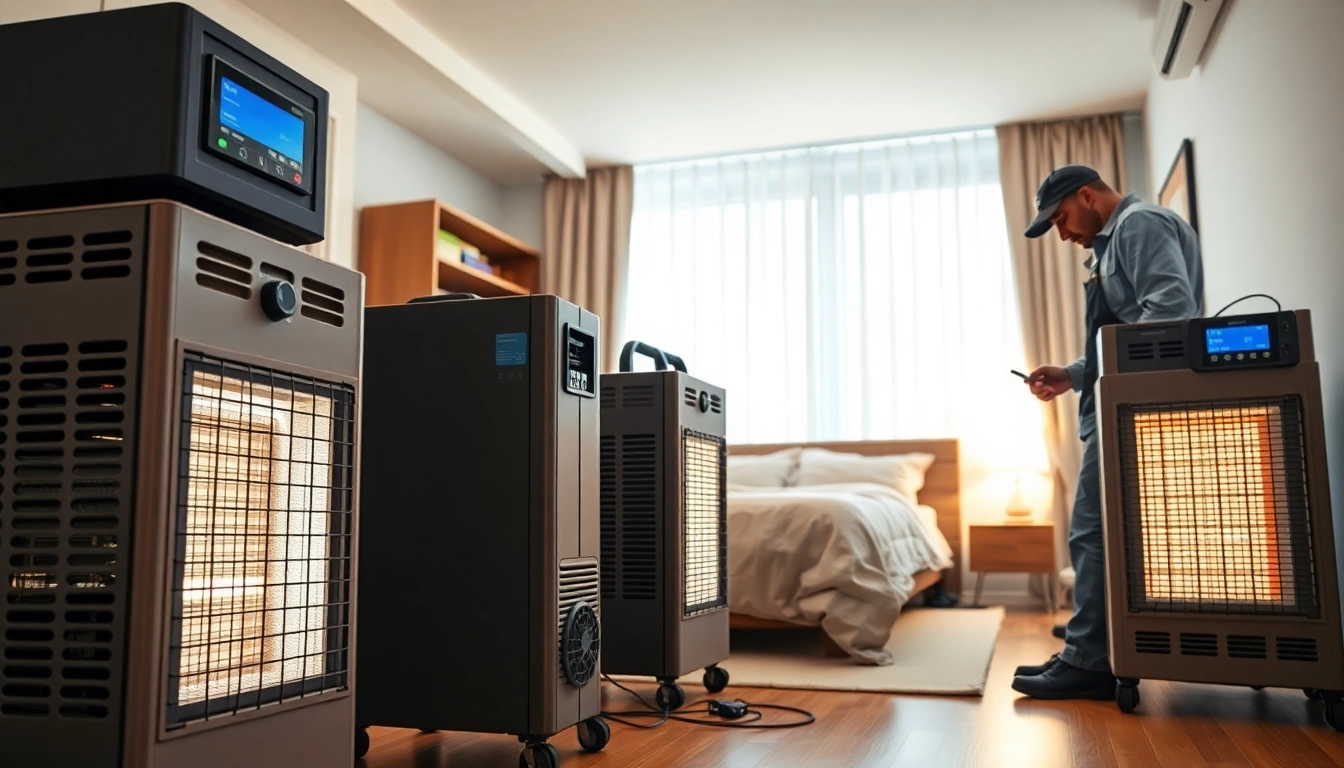
What is Bed Bug Heat Treatment?
Definition and Overview
Bed bug heat treatment is a method of pest control that involves raising the ambient temperature in an infested area to a level lethal to bed bugs. Unlike traditional chemical treatments, this method utilizes physical heat, usually around 120-135°F (approximately 49-57°C), to eliminate bed bugs and their eggs effectively. This treatment is widely regarded as a safe and non-toxic approach for homeowners and businesses. This approach not only ensures the elimination of adult bugs and nymphs but proves effective against eggs as well, thus preventing future infestations.
How Heat Kills Bed Bugs
Heat works by denaturing the proteins and disrupting the cellular mechanism of bed bugs at elevated temperatures. As the surrounding temperature increases, bed bugs begin to experience heat stress, leading to rapid dehydration and eventual mortality. The treatment is designed to ensure that all areas of the infested room reach the required temperature, including cracks, crevices, and other places where bed bugs may hide. A well-executed bed bug heat treatment can eliminate all life stages of bed bugs in as little as several hours.
Benefits of Heat Treatment
- Non-toxic and Safe: Heat treatment does not involve the use of chemicals, making it a safer option for households, children, and pets.
- Comprehensive Solution: It targets all life stages of bed bugs including eggs, something that many chemical treatments fail to achieve.
- Speed of Application: Typically, the entire process can be completed in a single day, minimizing disruption to your routine.
- Post-Treatment Assurance: Once the heat reaches the lethal temperature, it reduces the likelihood of re-infestation, provided that proper follow-up steps are taken.
Steps Involved in Bed Bug Heat Treatment
Preparation Before Treatment
Before conducting a heat treatment, thorough preparation is essential to maximize effectiveness. Homeowners must first clear the treatment area of any items that could impede heat penetration, such as clothing, plants, and electronics. It's advisable to wash all fabrics in hot water and dry them on high heat. This step not only helps to eliminate existing bugs but also ensures the treatment is more effective. For sensitive items, plastic containment or specialized storage can be employed.
The Treatment Process
The treatment itself is a methodical process. Professional technicians usually use heated air produced by specialized heaters or portable units. These heaters are strategically placed around the treated space. The temperature is then gradually raised and maintained for several hours, typically between four to six, to ensure lethal temperatures are reached throughout. During this phase, the technicians will continually monitor the temperature and adjust the equipment to maintain these critical levels.
Post-Treatment Care
After the treatment, it's important to follow specific guidelines to ensure the area remains free of bed bugs. Technicians often recommend that homeowners keep room conditions dry and clean while continuing vigilance against re-infestation. Regular inspections, coupled with preventive measures such as encasing mattresses and box springs, can help maintain the effectiveness of the treatment.
Comparative Analysis: Bed Bug Heat Treatment vs. Chemical Treatments
Effectiveness Against Various Life Stages
Heat treatment stands out due to its efficacy against all life stages of bed bugs. Eggs, which are notoriously difficult to kill with chemicals, are rendered inviable at elevated temperatures. In contrast, chemical treatments may offer variable results against different life stages, with eggs often evading destruction due to their protective coating.
Environmental Impact
Unlike chemical treatments that may introduce harmful pollutants into the living environment, heat treatment is eco-friendly. The process involves no toxins and does not imply health risks to human inhabitants post-treatment. This makes bed bug heat treatment a more sustainable choice in pest eradication efforts.
Cost Comparison
While initial costs of heat treatments may appear higher than chemical options, they often prove to be more economical in the long run. The reason being, heat treatments are typically a one-time solution as opposed to multiple chemical applications over time. Additionally, the reduced risk of re-infestation decreases the potential long-term costs of battling bed bugs.
FAQs About Bed Bug Heat Treatment
What Is The Optimal Temperature for Effective Killing?
The optimal temperature to effectively exterminate bed bugs is generally between 120°F to 135°F. Maintaining these temperatures for several hours ensures that all life stages, including eggs, are killed.
How Long Does The Treatment Take?
The entire treatment process usually takes between 4 to 6 hours, depending on the severity of the infestation and the area size. Proper monitoring of temperatures during this time is crucial for effectiveness.
Can I Stay in My Home During Treatment?
For safety reasons, it is recommended that occupants vacate the property during treatment. The high temperatures can be uncomfortable and potentially unsafe for people and pets.
How Can I Prepare My Home for Heat Treatment?
Preparation includes removing items from untreated areas, washing bedding and clothing in hot water, and ensuring that electronic devices and delicate items are safeguarded or moved out of the treatment zone.
Are There Risks Associated with Heat Treatment?
While heat treatment is generally safe, there are risks if not conducted properly. Items sensitive to heat may be damaged, and it's crucial to use trained professionals who can monitor conditions effectively to mitigate such risks.
Choosing Professional Services for Bed Bug Heat Treatment
What to Look For in a Pest Control Company
When selecting a pest control service for a bed bug heat treatment, look for certifications, positive customer reviews, and experience in handling similar infestations. Ensure the company uses industry-standard equipment to guarantee effectiveness.
Consumer Reviews and Recommendations
Consumer feedback is invaluable. Check multiple sources for reviews to gauge the company's reputation. Look for testimonials specifically about bed bug heat treatments to get insights into the service quality and effectiveness.
Cost and Service Agreements
Understand the costs involved in the treatment and what they include. Verify if follow-up services or guarantees are part of the agreement. This ensures transparency and provides an understanding of the total financial commitment involved.