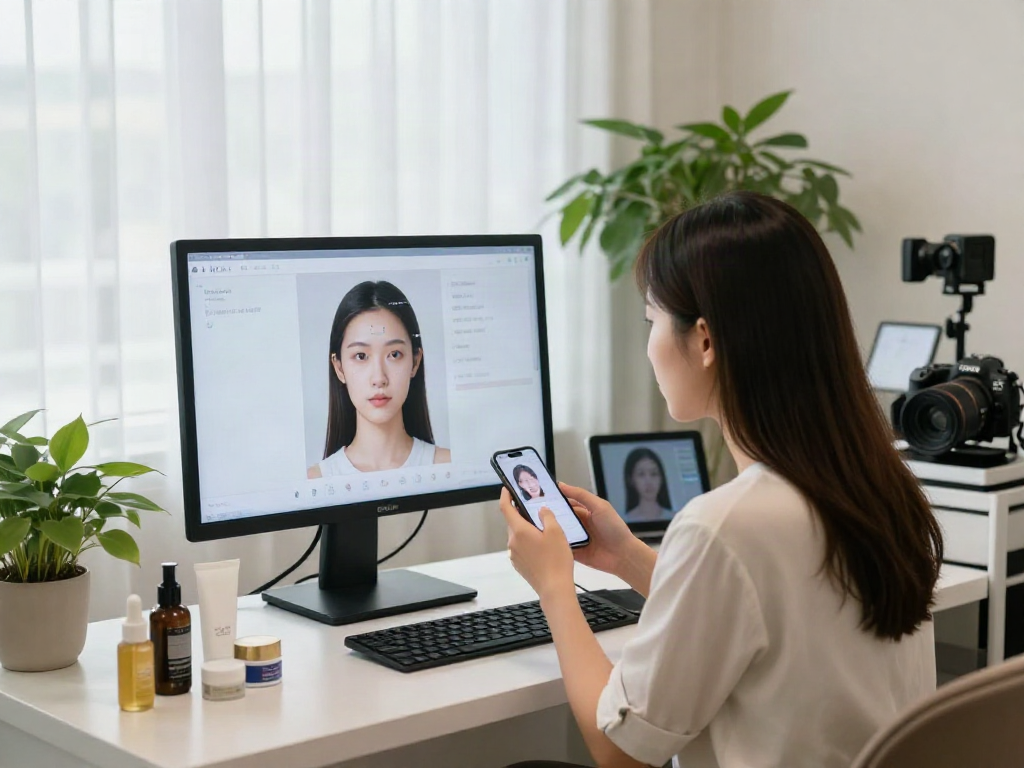
The Science Behind Attractiveness Tests
In the realm of beauty and self-perception, attractiveness tests have gained remarkable traction, largely fueled by advancements in artificial intelligence. These tests offer an intriguing lens through which individuals can explore their appearance through the evaluation of facial features such as symmetry, proportion, and uniqueness. As technology evolves, the methodologies employed in these tests are becoming increasingly sophisticated, enabling a better understanding of what constitutes 'attractive' in modern society. For those curious about their own appeal, engaging with an attractive test offers a unique opportunity to delve into personal insights.
Understanding Facial Symmetry and Proportions
Facial symmetry is often hailed as one of the most significant indicators of attractiveness. It is based on the idea that more symmetrical faces are generally perceived as more beautiful. Studies suggest that people are drawn to symmetry because it is subconsciously associated with health and genetic fitness. The golden ratio—a mathematical ratio that has been employed in art and architecture for centuries—also plays a key role in defining proportions that are aesthetically pleasing. In attractiveness tests, algorithms assess facial landmarks to derive a symmetry score, illuminating how closely a face aligns with these established ideals.
The Role of AI in Attractiveness Evaluation
Artificial intelligence is revolutionizing the way attractiveness is evaluated. Machine learning algorithms can analyze thousands of facial features, evaluating data like skin texture, facial contours, and even expressions. This multi-faceted analysis transcends simple metrics, providing a nuanced score that captures not only physical attributes but also emotional resonances. AI’s capability to process large datasets enables it to identify patterns in perceptions of beauty, which vary across cultures and individual preferences.
Psychological Impacts of Attractiveness Testing
Engaging with attractiveness tests can lead to varied psychological outcomes. For some, receiving a high score may enhance self-esteem and confidence, while others may feel disheartened by a lower rating. The emotional responses elicited from these tests underscore the powerful relationship between self-image and perceived attractiveness. Understanding this dynamic is crucial, as it can shape social interactions and personal relationships. Encouragingly, many individuals report using their results constructively, seeking to improve their self-presentation based on feedback from these assessments.
How Attractive Tests are Changing Self-Perception
The impact of attractiveness tests extends far beyond mere scores; they are actively reshaping personal narratives and societal standards of beauty. As individuals navigate these evaluations, they often reassess their self-worth and peer interactions in light of the feedback received.
Influence of Social Media on Beauty Standards
Social media platforms have been instrumental in shaping contemporary beauty standards, often blurring the lines between reality and digitally enhanced images. The advent of filters and editing tools allows users to present idealized versions of themselves, which can distort perceptions of attractiveness. In this landscape, attractiveness tests serve as a counterbalance, providing a more objective evaluation that some may use to combat unrealistic expectations propagated by social media.
Case Studies: Users’ Experiences and Outcomes
Numerous anecdotal accounts exist of individuals who have taken attractiveness tests, each experience illuminating varied perspectives on beauty and self-acceptance. Some users report a newfound understanding of their unique beauty traits, while others utilize the feedback to make changes in their grooming or lifestyle. Case studies illustrate that these tests do not merely serve as vanity metrics; rather, they can foster a deeper engagement with one's identity and the intricate layers of attractiveness.
Common Misconceptions About Attractiveness
Despite their growing popularity, misconceptions about attractiveness tests abound. A prevalent belief is that these tests are purely superficial; however, they often delve into broader themes of self-acceptance and societal influence. Many people assume that only physical traits are measured, overlooking the significant role personality and charisma play in attractiveness assessments. By addressing these misconceptions, individuals can better harness the insights gained from these evaluations for holistic self-improvement.
Implementing Attractive Tests for Personal Growth
Taking an attractiveness test is not only about receiving a score but also about leveraging that information for personal development. Here’s how individuals can effectively implement the findings from these tests into their lives.
Steps to Participate in an Attractive Test
Participating in an attractiveness test is typically straightforward. Users generally need to upload a clear photograph and may answer a few preliminary questions regarding their age and preferences. Once the evaluation is complete, they receive feedback on various aspects of their appearance. To maximize the benefits, users should approach these tests with an open mind and a willingness to engage with the results constructively.
Interpreting Your Attractiveness Score
Understanding the score received from an attractiveness test requires introspection. It's essential to differentiate between constructive feedback and subjective feelings. Users should consider how their score aligns with their perceptions of beauty and the societal standards they have internalized. This reflection can be an empowering process, leading to a more defined self-image and greater confidence.
Using Feedback for Self-Improvement
Feedback from attractiveness tests can serve as a springboard for self-improvement. Whether it be updating one's grooming routine, adopting a new style, or simply embracing one's features, the insights gained can catalyze personal growth. Engaging in this reflective practice can shift the focus from comparison with others to self-actualization and authenticity.
Trends in Attractiveness Testing Technologies for 2026
As we move deeper into the digital age, the technologies behind attractiveness testing are evolving rapidly. Innovations not only enhance accuracy but also address growing ethical concerns around privacy and consent.
Advancements in Facial Recognition Algorithms
Facial recognition technology continues to improve, incorporating more complex algorithms that can differentiate subtle variances in features. This evolution leads to more personalized assessments, enabling tests to consider the nuances of different faces, ethnic backgrounds, and age groups. Such advancements may result in fairer evaluations that respect individual diversity.
User Data Privacy and Ethical Considerations
The ethical implications of attractiveness testing cannot be overlooked, particularly regarding data privacy. As users upload their images, there is an inherent risk of misuse of their data. Responsible platforms must prioritize user consent and data protection, ensuring a secure environment that builds trust. Transparency in how data is used and shared will be essential to maintaining user confidence in these tools.
Future Predictions: Where is the Industry Heading?
Looking ahead, the attractiveness testing industry is expected to integrate more holistic assessments that encompass emotional and psychological dimensions of attractiveness, not just physical traits. This shift may lead to the development of tools that foster self-acceptance and mental well-being, making them less about comparison and more about personal growth and understanding.
Frequently Asked Questions
What does an attractive test typically measure?
An attractive test generally evaluates measurements such as facial symmetry, proportion, and other aesthetic features, providing a score based on these criteria. Some tests also consider factors like skin quality and unique features.
Are attractiveness tests accurate?
The accuracy of attractiveness tests can vary depending on the algorithms used and the quality of images uploaded. While many tests provide a relatively good estimate based on established beauty standards, individual perceptions of attractiveness can be highly subjective.
How can I use results from an attractive test?
Results from an attractiveness test can inform choices regarding personal grooming, styling, and even makeup application. They can also provide a benchmark for self-esteem and self-acceptance, helping users understand their unique allure.
What are the ethical concerns surrounding attractiveness testing?
Ethical concerns primarily revolve around data privacy and the psychological impact these tests may have on users. There is a need for clear policies on data handling and a consideration of the emotional consequences tailored tests may evoke.
Can attractiveness tests positively influence self-esteem?
When approached thoughtfully, attractiveness tests can enhance self-esteem by helping individuals recognize and appreciate their unique features. Fostering a balanced understanding of attractiveness can promote self-acceptance and positive body image.