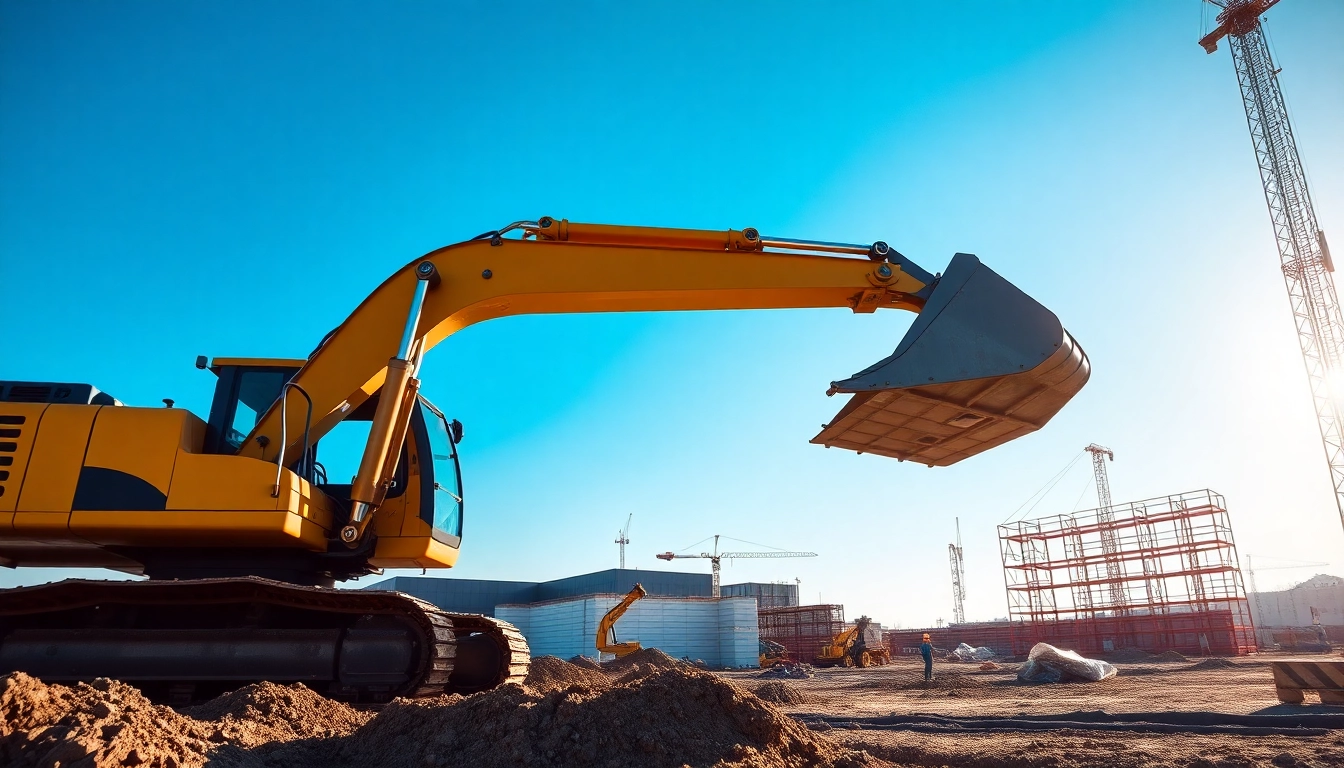
Understanding the Basics of Excavator
What is an Excavator?
An excavator is a type of heavy construction equipment primarily designed for digging, lifting, and moving materials. Commonly referred to as a digger, it consists of a boom, dipper (also known as a stick), bucket, and a rotating platform called the "house." This robust machinery is essential in various construction projects, ranging from large-scale earthmoving to small landscaping tasks. The versatility of an excavator allows it to perform a myriad of functions beyond basic excavation, making it a crucial asset on any job site.
Components of an Excavator
An excavator features several key components that work in unison to achieve efficient operation:
- Boom: The long arm attached to the house, which provides the reach needed for digging deep holes or trenches.
- Dipper: This is connected to the boom and serves as the extension, bringing the bucket closer to the desired area for excavation.
- Bucket: The front-end attachment used for digging, carrying, and dumping materials. Buckets come in different sizes and shapes depending on the task.
- House: This is the upper structure of the excavator that houses the operator's cab, engine, and hydraulic system, allowing for 360-degree rotation.
- Undercarriage: This includes the tracks or wheels that provide mobility. Crawler excavators have tracks, while wheeled excavators have tires, each type serving different terrain preferences.
Types of Excavators Available
Understanding the different types of excavators can help you choose the right one for your specific needs. Here are some common types:
- Crawler Excavators: These large machines are equipped with tracks that provide excellent weight distribution and stability across unstable terrain.
- Wheeled Excavators: These have tires instead of tracks, offering faster transport speed on solid surfaces, making them suitable for urban environments.
- Mini Excavators: Compact and lightweight, these are ideal for small scale projects or confined spaces, often favored for landscaping work.
- Long-Reach Excavators: Designed with extended arms, these excavators have the advantage of digging deeper or reaching farther than standard models, great for larger construction sites.
Factors to Consider Before Buying an Excavator
Size and Capacity
When purchasing an excavator, size and capacity are pivotal considerations. The machine must align with the scale of your projects; larger excavators can handle bigger loads but may not fit into tighter job sites. Understand the weight class and lifting capacity you need: mini excavators typically range from 1-10 tons, while large excavators can exceed 90 tons. Evaluating your operational requirements ensures you select an excavator that matches your workload and site conditions.
Hydraulic Power and Efficiency
Hydraulic power is a crucial aspect of an excavator's functionality, directly affecting its performance. Ample hydraulic capacity ensures fast, smooth operation of the boom, dipper, and bucket. Look for excavators equipped with advanced hydraulic systems that optimize the power-to-weight ratio, maximizing fuel efficiency while maintaining high performance. Regular maintenance is essential to keep the hydraulic system functioning optimally and prolong the lifespan of the excavator.
Maintenance and Durability
Excavators are significant investments, and their durability depends on build quality and maintenance practices. Assess the manufacturer's reputation for reliability and the availability of replacement parts. Consider ease of maintenance—some models allow simple access to engine parts and hydraulic lines for quick servicing. Incorporating regular maintenance schedules prolongs the operational life of the excavator and minimizes downtime.
Choosing the Right Excavator for Your Job
Excavator Applications in Construction
Excavators are versatile machines suitable for various construction applications. They are predominantly used for digging foundations, trenches, and holes. Additionally, excavators play a significant role in material handling, whether it's moving soil, rock, or debris. They can assist in infrastructure projects such as road construction, excavation of utility lines, and even river dredging. Understanding the intended use of the excavator is vital to ensure it has the appropriate features for your specific projects.
Excavators for Landscaping Projects
For landscaping, mini excavators or compact models are often preferred due to their agility in tight spaces. They excel in tasks such as grading, planting, digging ponds, and removing shrubs or trees. Their smaller size allows for enhanced maneuverability without sacrificing power. When selecting an excavator for landscaping, consider attachment options such as different bucket types or augers, enabling varied tasks to be accomplished efficiently.
Using an Excavator in Demolition
Excavators are also extensively employed in demolition projects. Their power and versatility allow for efficient tearing down of structures, whether residential or commercial. Select excavators can be fitted with different attachments, such as hydraulic breakers or shears, enabling them to handle various demolition tasks, including concrete and steel work. Proper operator training is essential to ensure the safe and efficient completion of demolition tasks.
Excavator Safety Practices
Key Safety Equipment Checklist
Safety is paramount when operating excavators. A checklist of essential safety equipment to ensure safe operation should include:
- Hard hats
- High visibility vests
- Safety glasses
- Steel-toed boots
- Hearing protection
Utilizing this gear helps protect operators from worksite hazards, creating a safer environment for all personnel.
Common Hazards on the Job
Numerous hazards can arise on construction sites where excavators are in use. These include ground instability, contact with overhead power lines, and the risk of swinging loads. Maintaining a safe perimeter around the work site, observing load limits and securing the area with proper barriers are crucial for minimizing these risks. Regular training and safety meetings help ensure that all workers understand hazards and safety protocols on the job site.
Training and Certifications Needed
Operating an excavator requires specialized training and certification to ensure operator competence and safety. Certifications generally encompass machine operation, safety regulations, and maintenance practices. Many organizations provide training programs, which often include a mix of classroom instruction and hands-on practice. Continuing education and re-certification ensure operators remain knowledgeable about current safety standards and machinery innovations.
Maximizing Excavator Performance
Tips for Efficient Operation
To maximize excavator performance, operators should engage in continuous learning and refinement of their skills. Effective use of levers and pedals ensures smooth movement, while planning each digging sequence improves efficiency. Adequate site preparation is also essential. Clearing debris and ensuring safe access paths help maximize productivity and minimize equipment wear and tear.
Regular Maintenance Routines
Implementing a routine maintenance schedule is crucial in extending an excavator's operational life. Operators should check fluid levels, inspect hoses and connections for leaks, and maintain clean air filters. Following the manufacturer's maintenance guidelines ensures the machine's components are performing efficiently and reduces unexpected breakdowns during operation.
Understanding Fuel Efficiency
Fuel efficiency can significantly influence operating costs. Choosing excavators that feature advanced fuel-saving technology can lead to decreased fuel consumption and lower operating expenses over the machine’s lifespan. Operators should also pay attention to their driving habits; smooth and controlled movements can enhance fuel efficiency, while abrupt maneuvers may lead to increased consumption.
FAQs
What is an excavator used for?
Excavators are versatile machines primarily used for digging, lifting, and moving materials across construction sites.
How much does an excavator weigh?
Excavators can weigh anywhere from a few tons to over 90 tons, depending on their size, type, and construction specifications.
What are the different types of excavators?
Common types include crawler, wheeled, mini, and long-reach excavators, each designed for specific tasks and operating environments.
What factors affect excavator pricing?
The price depends on size, brand reputation, capabilities, and whether the excavator is new or used, influencing overall cost variability.
How do I operate an excavator?
Proper operation requires specialized training, understanding of controls, safety protocols, and awareness of site-specific conditions and hazards.
Contact Information
Call Us:4062607988Address: 3906 MT-40, Columbia Falls, MT 59912