Understanding Current Fashion Trends in 2026
The fashion landscape in 2026 is rapidly evolving, influenced by a myriad of factors ranging from societal shifts to technological advancements. As we move deeper into the year, the importance of being attuned to current trends becomes paramount for both consumers and fashion enthusiasts alike. With an increasing focus on sustainability, the rise of vintage styles, and the pervasive influence of social media, understanding these dynamics will empower individuals to make informed fashion choices. For those seeking to stay ahead of the curve, read more here to uncover detailed insights into the future of fashion.
The Rise of Sustainable Fashion
Sustainable fashion is no longer just a trend; it has become a commitment that brands and consumers are embracing with fervor. In 2026, we see a significant shift towards environmentally friendly practices, with designers prioritizing eco-conscious materials and ethical production methods. This movement is characterized by the use of recycled fabrics, organic cotton, and innovative materials such as lab-grown leather.
- Recycled Materials: Many brands are now utilizing materials reclaimed from waste, effectively minimizing their carbon footprint.
- Eco-Friendly Certifications: Shoppers are becoming more discerning, seeking out clothing that boasts certifications such as GOTS (Global Organic Textile Standard) or OEKO-TEX.
- Transparency in Supply Chains: Brands are investing in transparency, allowing consumers insight into their sourcing and production processes.
This sustainable revolution is not just beneficial for the planet; it appeals to a growing demographic of conscious consumers who demand higher standards from their fashion choices.
Incorporating Vintage Styles
Vintage fashion is making a comeback, and 2026 is no exception. The desire for unique, timeless pieces has led to a rise in thrift shopping and upcycling, where fashion lovers seek to incorporate retro elements into their wardrobes. This trend allows individuals to express their creativity and personal style while supporting sustainable practices.
- Thrift Store Finds: Thrift and second-hand stores are treasure troves for those looking to score one-of-a-kind items that contribute to a more sustainable fashion cycle.
- Mixing Eras: Fashion-forward individuals are blending styles from different decades, creating eclectic looks that showcase their personality.
- Revamping Classics: Many designers are reinterpreting iconic vintage designs for the modern consumer, bridging the gap between past and present.
The incorporation of vintage pieces allows for individuality in a world where mass production dominates, and as such, it resonates with a diverse range of consumers.
The Influence of Social Media on Trends
In today's digital age, social media platforms play a pivotal role in shaping fashion trends. Influencers and content creators on platforms like Instagram, TikTok, and Pinterest are not only promoting their styles but also impacting consumer behavior on a large scale. In 2026, the ways in which trends are disseminated and embraced continue to evolve:
- Micro-Influencers: Smaller influencers often engage more authentically with their audiences, making them powerful trendsetters.
- Viral Challenges: Fashion challenges encourage users to showcase their creativity, often leading to immediate popularity for certain styles.
- Real-Time Feedback: Fashion brands can quickly gauge consumer reactions through likes, shares, and comments, allowing them to adapt their offerings swiftly.
As social media continues to evolve, so too will the speed and nature of fashion trends, prompting consumers to remain vigilant and adaptive.
Essential Wardrobe Pieces for 2026
As we curate our wardrobes for 2026, certain staple pieces emerge as must-haves that are both versatile and timeless. Opting for these essentials can significantly enhance personal style and ensure that one is adequately prepared for any occasion.
Timeless Staples Everyone Should Own
Building a wardrobe centered around timeless staples can lead to endless outfit possibilities. Here are a few essential items that belong in every closet:
- Classic Blazer: A tailored blazer can elevate any outfit, making it suitable for both professional and casual settings.
- White Button-Up Shirt: This versatile piece can be styled in numerous ways, providing a fresh canvas for accessorizing.
- High-Quality Denim: Investing in a well-fitted pair of jeans ensures comfort and style, making them a wardrobe staple.
These items serve as the backbone of a fashionable wardrobe, allowing for creative layering and styling.
Key Accessories to Elevate Your Look
Accessories can transform an outfit from basic to stunning. In 2026, the following accessories are proving to be key for fashion-savvy individuals:
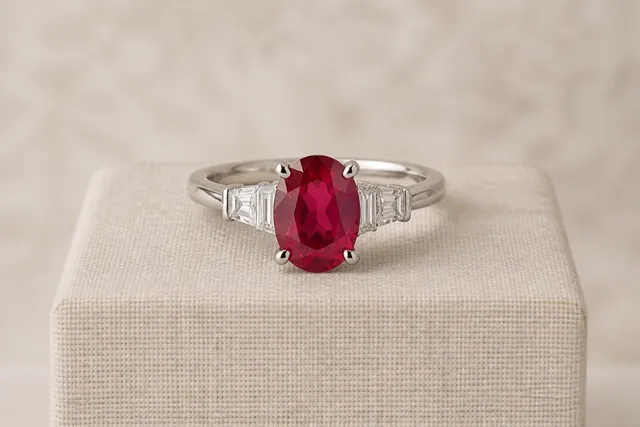
- Statement Jewelry: Bold pieces that draw attention can serve as conversation starters and reflect personal style.
- Quality Footwear: A great pair of shoes can make or break an outfit, so investing in versatile, stylish options is crucial.
- Functional Bags: Combining style with practicality, bags that offer organization while still looking chic are essential for daily use.
Incorporating these accessories allows for personal flair while maintaining a polished look.
Sustainable Fabrics to Consider
As the fashion industry becomes more eco-conscious, the choice of fabrics plays a critical role. In 2026, several sustainable fabrics are gaining traction:
- Bamboo: A highly renewable resource, bamboo fabric is naturally antibacterial and environmentally friendly.
- Organic Cotton: Free from pesticides and chemicals, organic cotton supports sustainable farming practices.
- Tencel: Made from sustainably sourced wood pulp, Tencel is biodegradable and produced in a closed-loop process.
Choosing these fabrics not only benefits the environment but also offers comfort and quality for consumers.
Navigating Fashion Challenges in Today's Market
While navigating the diverse and ever-changing fashion landscape, consumers often encounter challenges that can impact their shopping experience. Understanding these challenges is key to making informed decisions in 2026.
Common Misconceptions about Sustainable Fashion
Despite the rise of sustainable fashion, misconceptions remain prevalent. Here are a few that need addressing:
- High Cost: While some sustainable brands may have higher price points, affordable options are increasingly available.
- Limited Variety: Many believe sustainable fashion lacks variety, but designers are broadening their offerings, creating stylish yet eco-friendly options.
- Overhyped Narratives: Some consumers worry that sustainability is a marketing gimmick; however, many brands are genuinely committed to ethical practices.
By dispelling these myths, consumers can make more informed purchasing choices and support brands that align with their values.
Budgeting for a Trendy Wardrobe
Fashion can be an expensive endeavor, but building a trendy wardrobe on a budget is achievable with some strategic planning:
- Prioritize Quality Over Quantity: Invest in a few high-quality pieces rather than numerous low-quality items, ensuring longevity in your wardrobe.
- Plan Your Purchases: Create a wish list and prioritize purchases based on necessity and versatility.
- Seasonal Sales and Discounts: Keep an eye out for end-of-season sales and flash sales to score trendy pieces at reduced prices.
With thoughtful budgeting, consumers can curate a stylish wardrobe without breaking the bank.
How to Mix High and Low Fashion
The blend of high-end and affordable fashion allows for unique, expressive outfits. Here are tips on achieving this mix:
- Invest in Key Pieces: Purchase a few designer items that can anchor your outfits, pairing them with lower-cost items.
- Accessorize Wisely: Use accessories to elevate an otherwise budget-friendly outfit, allowing for a high-fashion aesthetic.
- Keep It Balanced: Maintain a balance between high and low by ensuring both elements complement each other in style and color.
This approach not only fosters creativity but also enhances the overall aesthetic of one’s wardrobe.
Practical Styling Tips for Every Occasion
Fashion is about expressing oneself, and knowing how to style outfits for various occasions is crucial. Here’s how to curate looks that transition seamlessly from day to night:
Day-to-Night Looks with Ease
Transforming a daytime outfit into an evening ensemble can be simple with these tips:
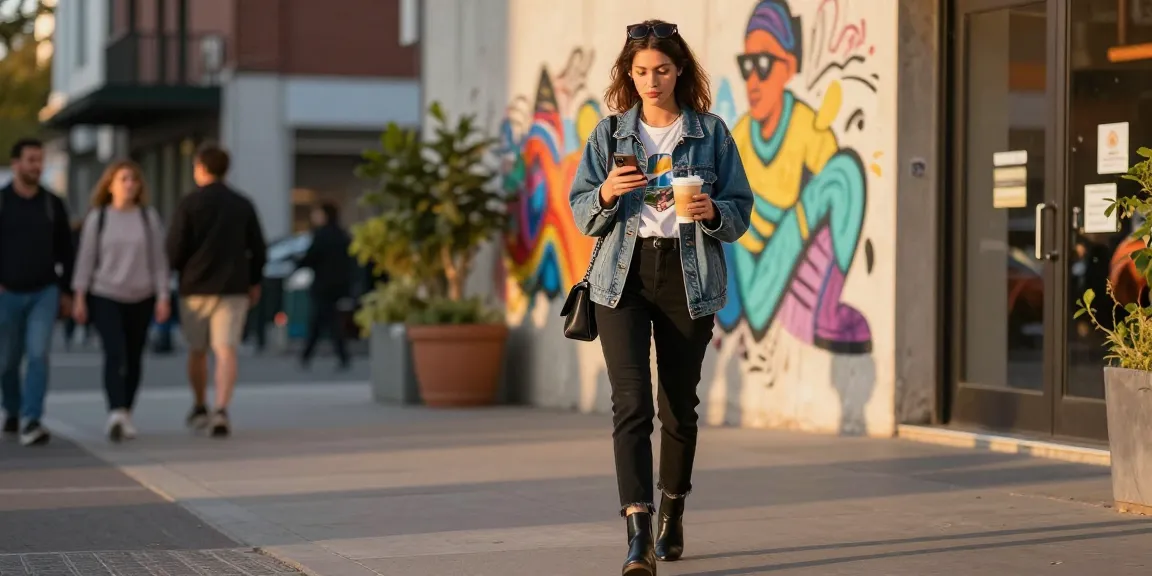
- Layer Creatively: Add a statement jacket or blazer to elevate your day look into evening sophistication.
- Switch Accessories: Trade daytime accessories for bolder evening pieces, shifting the focus of your outfit.
- Change Footwear: Opt for heels or stylish ankle boots to instantly upgrade your look for an evening outing.
This adaptability is essential for individuals with busy lifestyles, ensuring they remain stylish through all of life’s transitions.
Mastering Layering Techniques
Layering is an art that can add depth and interest to any outfit. Here are tips for mastering this technique:
- Start with Base Layers: Choose lightweight materials as your base to avoid bulkiness.
- Incorporate Varied Textures: Mix textures such as knits with denim or leather for visual appeal.
- Use Length Strategically: Vary the lengths of layers to create dimension, avoiding a flat appearance.
Effective layering can enhance not only style but also functionality, providing warmth and versatility.
Accessorizing for Maximum Impact
Accessories can make or break an outfit. Here’s how to use them effectively:
- Choose a Focal Point: Select one statement accessory, such as bold earrings or a standout bag, to draw attention.
- Mix and Match: Don’t be afraid to blend different styles; combining vintage with modern pieces can create a unique look.
- Consider Proportions: Balance your accessories with your outfit’s proportions; large accessories can overwhelm a petite frame, while delicate pieces might get lost in a voluminous outfit.
Mastering the art of accessorizing can significantly elevate one’s fashion game.
Future Fashion Innovations to Watch
The world of fashion is continuously advancing, with technology and innovation playing significant roles in shaping future trends. Keeping an eye on these developments is vital for staying fashionable:
Technology's Role in Fashion Evolution
As we look to the future, technology continues to reshape the fashion landscape in profound ways:
- 3D Printing: This technology is revolutionizing the design process, allowing for on-demand production and unique designs.
- Augmented Reality: Virtual fitting rooms and AR applications enable consumers to try on clothes digitally, enhancing the shopping experience.
- Smart Fabrics: Innovative textiles that can monitor body temperature or hydration are emerging, offering functionality alongside fashion.
These advancements promise to alter how we engage with and consume fashion moving forward.
Predictions for Popular Styles in 2026
As we navigate through 2026, several styles are anticipated to gain immense popularity:
- Bold Color Palettes: Expect to see vibrant colors dominating the runway as consumers seek to express optimism through their choices.
- Function Meets Fashion: Clothing that combines practicality with style will continue to be a top trend, appealing to the modern lifestyle.
- Gender Fluidity in Fashion: More brands are embracing gender-neutral clothing, reflecting a broader acceptance of various identities.
These predictions highlight an exciting evolution in fashion, emphasizing individuality and inclusivity.
Expert Insights from Influential Designers
Insights from established designers provide invaluable guidance for understanding future trends. Many emphasize the need for adaptability and sustainability as guiding principles for the fashion industry:
- Notable designer Jean Paul Gaultier advocates for timelessness over trends, urging consumers to invest in quality.
- Stella McCartney underscores the significance of sustainable practices, encouraging brands to innovate using eco-friendly materials.
- Many industry leaders are calling for collaborative efforts between brands to promote sustainability and ethical fashions.
These insights from fashion icons remind us of the responsibility that comes with style and the impact our choices can have.
What is the impact of fashion on sustainability?
The relationship between fashion and sustainability is complex. The fashion industry is one of the largest polluters globally, responsible for extensive waste and environmental degradation. However, this reality is prompting a transformative shift towards sustainable practices. By emphasizing eco-friendly materials, ethical production, and circular fashion, the industry can significantly mitigate its environmental impact. Consumers have a vital role to play by supporting brands that align with their values and demanding transparency.
How can I transition my wardrobe for 2026?
Transitioning your wardrobe for 2026 involves assessing current pieces and identifying sustainable options. Start by decluttering items that no longer serve you, and replace them with versatile staples and sustainability-focused pieces. Explore vintage shops and ethical brands to enrich your wardrobe while supporting eco-friendly practices. Lastly, consider investing in high-quality fabrics that will stand the test of time.
What are the must-have items for this season?
As the seasons change, the must-have items for 2026 include classic blazers, tailored trousers, oversized knitwear, and statement accessories. These essentials can be mixed and matched for versatile styling opportunities that work for various occasions, ensuring your wardrobe is ready to take you anywhere.
Where do I find inspiration for personal style?
Finding inspiration for personal style can be an exciting journey. Utilize social media platforms like Instagram and Pinterest to explore fashion influencers and style boards. Additionally, attending local fashion events or following emerging designers can provide fresh perspectives. Remember, personal style is about expressing individuality, so don’t hesitate to experiment with different looks until you find what resonates with you.
How can I identify quality fabrics when shopping?
Identifying quality fabrics can significantly enhance your wardrobe choices. Look for natural fibers such as cotton, linen, and wool, which generally offer better durability and breathability. Check for stitching quality; well-constructed seams indicate a higher-quality garment. Finally, feel the fabric; a smooth, well-made fabric will typically drape well and hold its shape better than cheaper alternatives.